
Saloum Delta: Management committees and eco-guards are enhancing their skills in the co-management of protected areas.
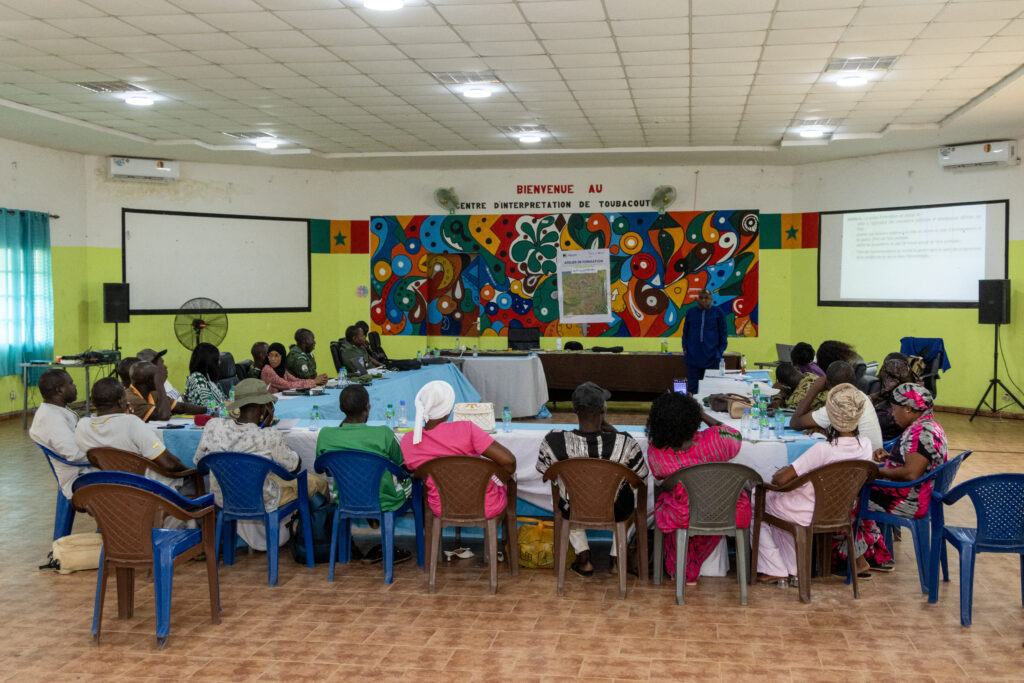
Members of the management committees and eco-guards from the protected areas of the Saloum Delta took part in a training workshop focused on the principles and mechanisms of co-management and participatory management. Organized as part of the IKI-CREAF project, in collaboration with Wetlands International Africa’s Community Resilience Support Project in the Saloum Delta (ARC-DS), this workshop is part of an effort to strengthen the governance of coastal ecosystems in the face of the effects of climate change.
The IKI-CREAF project aims to strengthen the resilience of ecosystems and local communities to the effects of climate change along the East Atlantic flyway, a vital corridor for millions of migratory waterbirds. In the Saloum Delta, protected areas play a central role: they ensure the conservation of biodiversity, support the livelihoods of local communities, and contribute to the region’s adaptation to climate change.
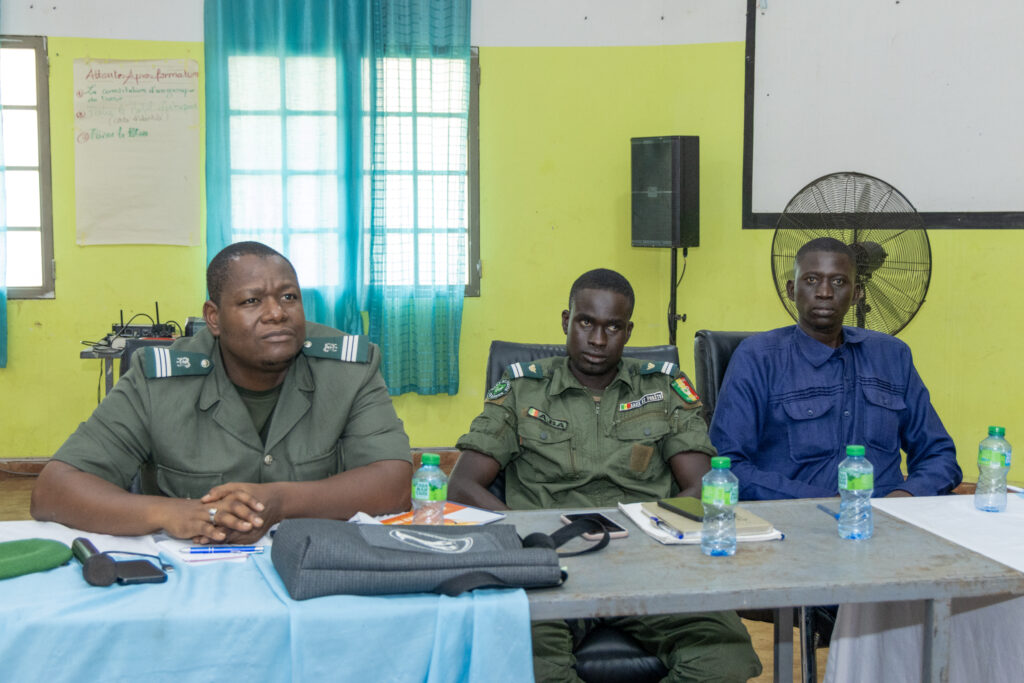
It was precisely to address these constraints that the workshop brought together—alongside the management committees and eco-guards—several institutional representatives who spoke to the importance of this capacity-building effort.
The representative of the Bamboung Marine Protected Area praised an initiative that addresses a real need long expressed by stakeholders on the ground, noting that the success of co-management depends above all on the effective and informed involvement of local communities in decisions affecting the management of their natural resources.
For the representative of the Directorate of Community Marine Protected Areas (DAMCP), this training represents a crucial step toward harmonizing participatory governance practices across the delta’s various protected areas and equipping management committees with the tools needed to foster a more balanced dialogue with all stakeholders.
The Regional Inspector of Water and Forests, for his part, emphasized the need for local stakeholders to better understand the legal and regulatory framework—a prerequisite, in his view, for ensuring that existing laws translate into sustainable and coordinated management of natural resources on the ground.
The IKI-CREAF project manager reiterated the objectives of the initiative: to strengthen the technical and institutional capacities of management committee members and eco-guards, to reduce misunderstandings related to the application of regulations, and to promote the emergence of more inclusive governance of the Saloum Delta’s protected areas.
Finally, the representative of the National Parks Directorate (DPN) emphasized how this training complements the efforts already undertaken by the government to structure co-management, and reaffirmed his institution’s commitment, alongside technical and financial partners, to continuing this momentum.
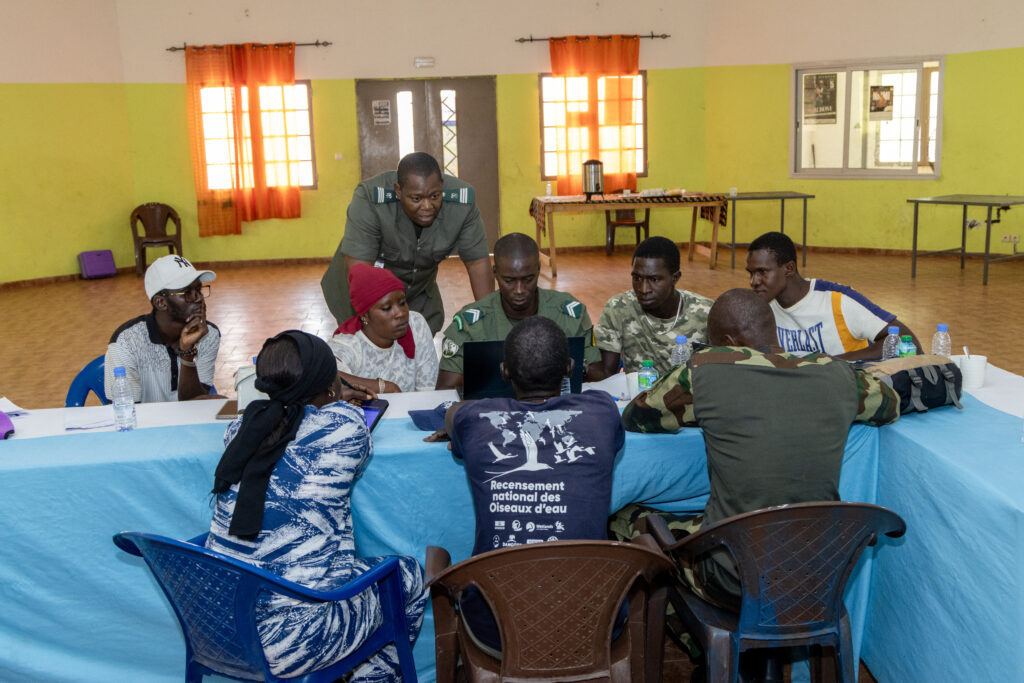
Beyond institutional interventions, the workshop provided an opportunity to carry out a program structured around several key areas: understanding the principles and concepts of co-management; clarifying the roles and responsibilities of the various stakeholders; strengthening capacities for consultation and participatory decision-making; and collectively identifying the main obstacles to the effective implementation of co-management in the delta.
Group work punctuated the training, giving rise to brainstorming sessions during which participants discussed the contours of participatory governance tailored to the realities of the Saloum Delta. These collective discussions allowed for the exchange of experiences between eco-guards and members of management committees, and led to the identification of concrete avenues for strengthening collaboration among stakeholders.
Participants were also invited to collaboratively formulate recommendations and operational solutions aimed at improving the effectiveness of protected area governance.
Following this training, the management committees and eco-guards of the Saloum Delta now have a better grasp of co-management mechanisms, a stronger understanding of the institutional and regulatory framework, and concrete tools for more active and responsible involvement in the sustainable management of their territory.
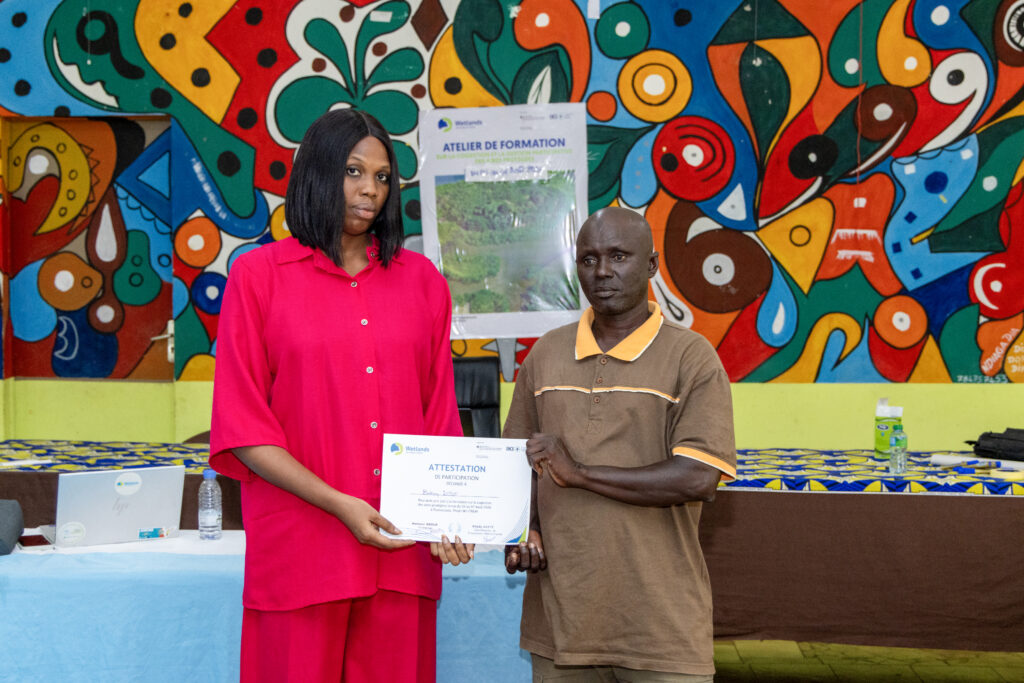
This joint initiative between the IKI-CREAF project and Wetlands International Africa’s ARC project demonstrates the technical partners’ commitment to making participatory governance a key driver of biodiversity conservation and climate change adaptation in the Saloum Delta—an area designated as a Biosphere Reserve and an integral part of the East Atlantic flyway.
Learn more about the projects: