
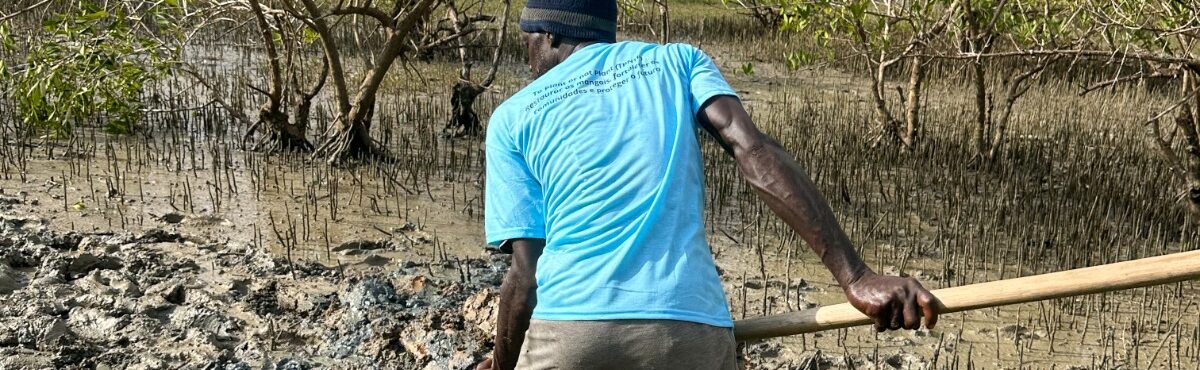
270 hectares of mangroves restored in Cantanhez: WIACO’s major challenge for Guinea-Bissau in 2026
From 26 August to 10 September 2026, Wetlands International Africa and its partners are taking on a major challenge in Guinea-Bissau: supporting the restoration of 270 hectares of mangroves in collaboration with local communities, using Assisted Natural Restoration.
Behind these 270 hectares lies a much greater ambition: to enable a vital ecosystem to gradually regain its ability to protect the soil and coastline, provide a habitat for biodiversity, store carbon and support the livelihoods of the communities that depend on it.
Restoring without necessarily planting
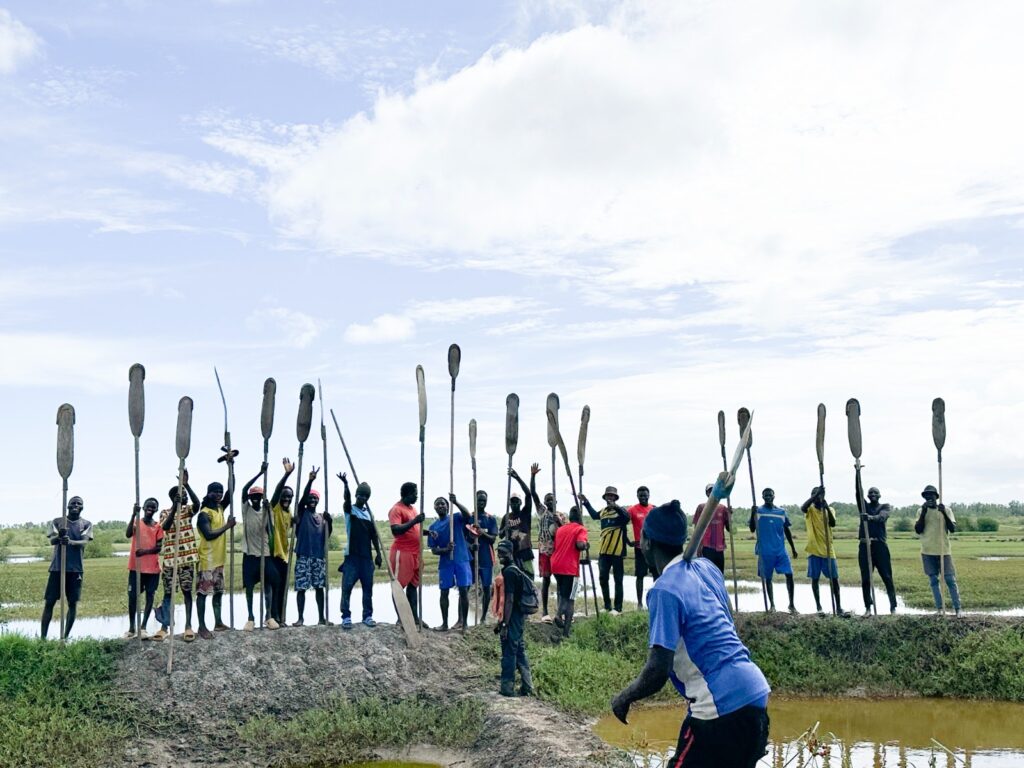
For several years now, Wetlands International has favoured an ecological approach based on Assisted Natural Restoration (ANR). The idea is simple: rather than systematically replacing what has been lost with new, artificially planted seedlings, the aim is first and foremost to provide nature with the conditions it needs to regenerate.
At degraded sites, teams work with local communities to identify the barriers preventing mangroves from recovering naturally. These may include unfavourable hydrological conditions or other factors that limit the growth of propagules and young plants. The intervention therefore involves removing these obstacles and supporting the natural processes already at work. Mangroves thus possess their own regenerative capacities. The RNA seeks to strengthen these rather than replace them.
Restoration does not end once the work is complete
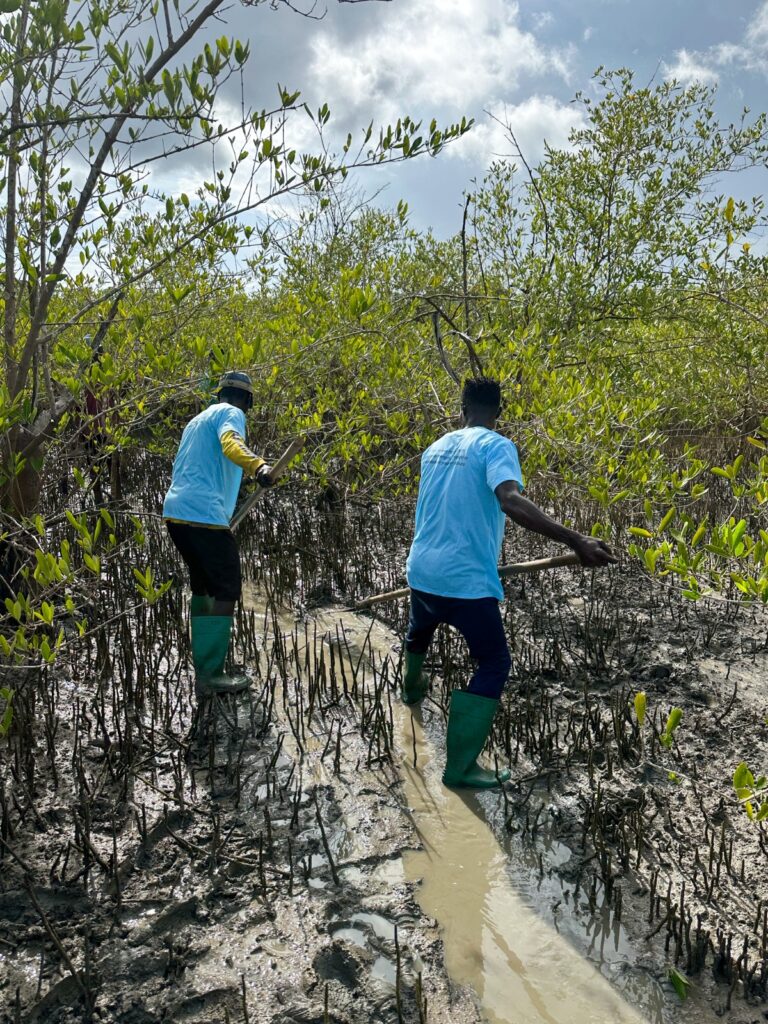
Restoring the mangrove is one step. Ensuring that it can continue to thrive is another. The success of a restoration project cannot, therefore, be measured immediately after the work is completed. Long-term monitoring is essential to observe natural regeneration, the survival and growth of young plants, and the development of the restored sites.
This monitoring helps us understand what is working, adapt our interventions and better support ecosystems on their path to recovery.
Communities at the heart of restoration
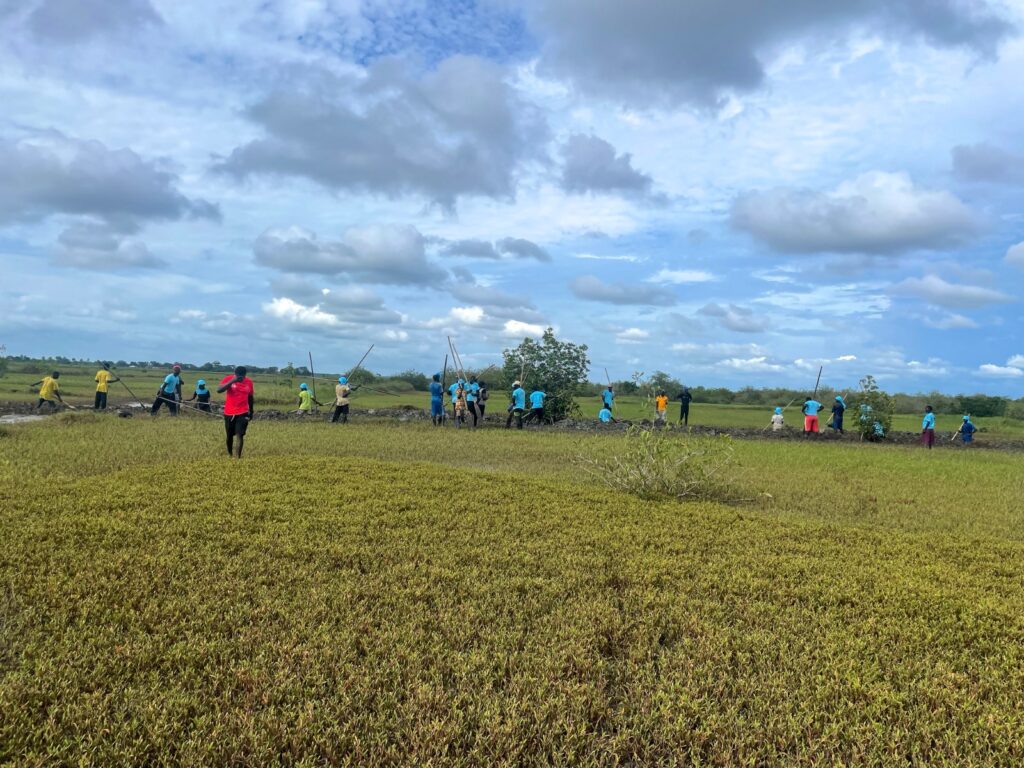
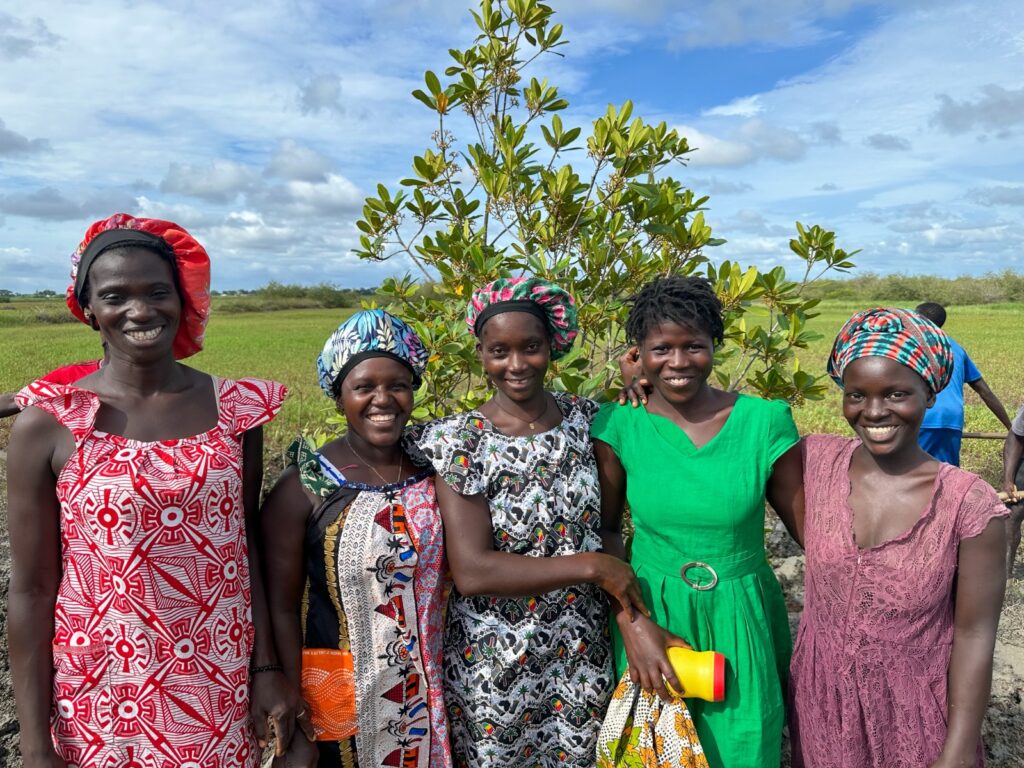
From mobilisation to site identification, through to restoration work and the monitoring of restored areas, communities are involved in the process. They are therefore not merely the beneficiaries of these actions; they are also active participants in the restoration and protection of the ecosystems on which their territories and livelihoods depend.
This involvement is essential for ensuring the long-term sustainability of restoration. It helps to bridge the gap between technical knowledge and local realities, strengthens ownership of the practices, and builds a shared vision for mangrove protection.
A restoration initiative driven by multiple stakeholders
In Cantanhez National Park and its surrounding areas, this campaign is being carried out in partnership with IBAP, through Cantanhez National Park (PNC), as well as with REDE AGIR, AJUTS and PRO-ATIVOS.
This collaboration helps to strengthen community engagement, the coordination of interventions and the monitoring of activities.
The 2026 campaign forms part of the implementation of two programmes: To Plant or Not to Plant – Phase II (TPNTP II) and Mangrove Capital Africa IV (MCA IV). The 270 hectares targeted represent a significant milestone. But the challenge is not simply about the area restored.
It is also about allowing nature to reclaim its place, supporting its regeneration and empowering communities to become the guardians of this ecosystem.