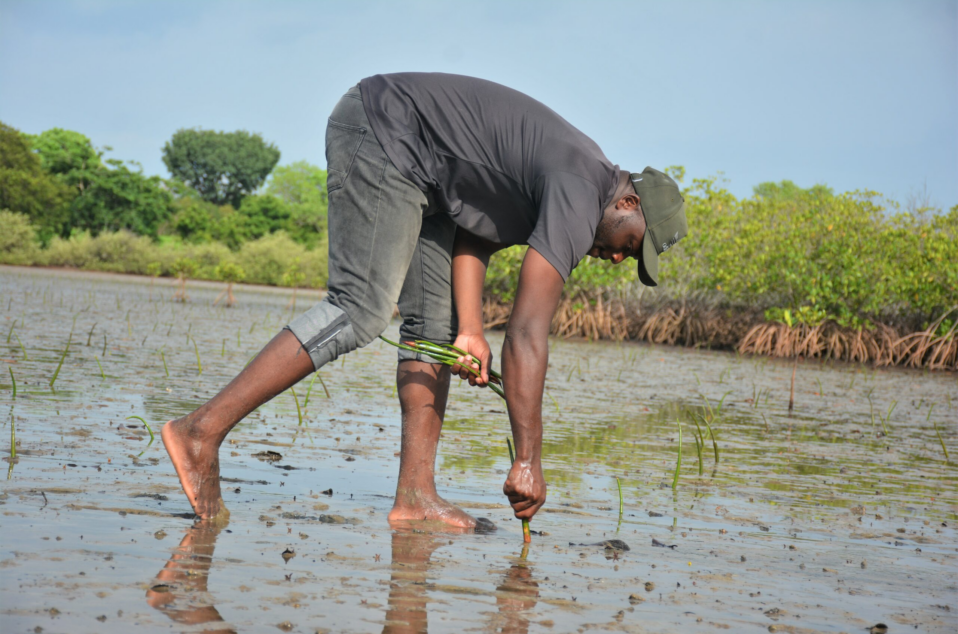
Local produce from the Saloum Delta: the GECCOM co-operative is receiving training in marketing to boost sales
Mangrove honey, agricultural and processed products… There is no shortage of attractions when it comes to local produce from the Saloum Delta. However, it is still important to know how to present them, sell them and raise awareness of them. On 26 and 27 September 2026, at the Toubacouta Interpretation Centre, members of the management committee of the GECCOM Cooperative Society’s flagship shop attended a marketing training course as part of the ARC project.
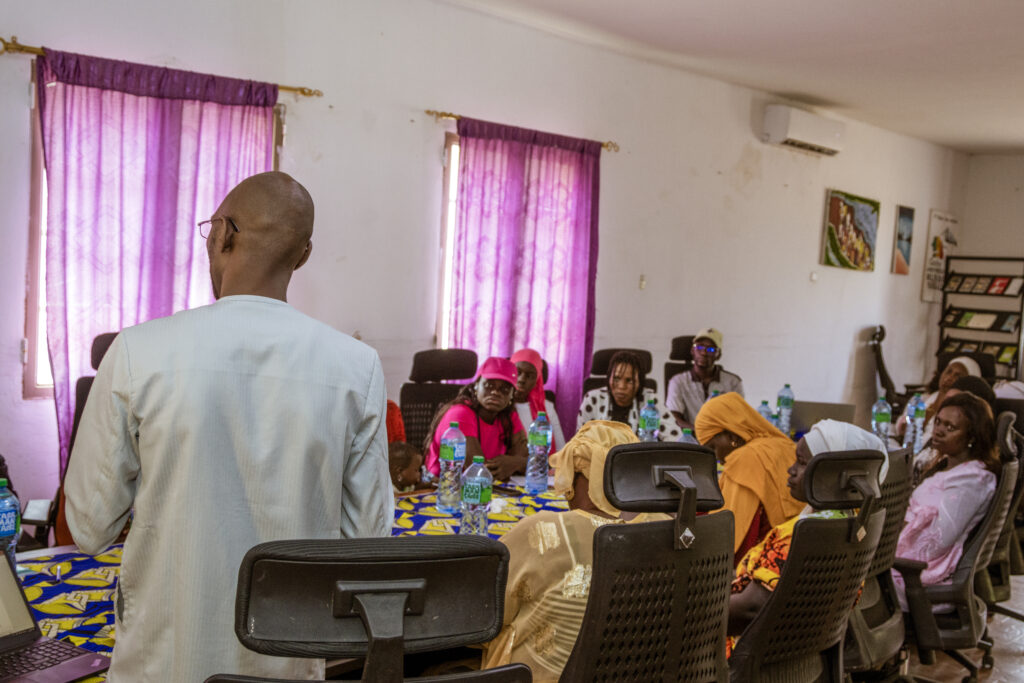
The GECCOM Co-operative Society brings together groups of producers and processors from the Saloum Delta. Its flagship shop in Toubacouta serves as a showcase for their products.
To boost sales, 14 members of the shop’s management committee attended a two-day training course led by trainer Niokhossa Coulibaly. The aim was to strengthen their skills in six areas: market knowledge, sales, pricing, communication, product promotion and customer loyalty.
Mangrove honey served as a practical example throughout the two days. Sourced from the mangroves of the Saloum Delta, it is a good illustration of the potential of the cooperative’s local products.
The participants examined:
- its origin and qualities;
- its uses and benefits for the consumer;
- its packaging and price;
- its selling points and in-shop presentation.
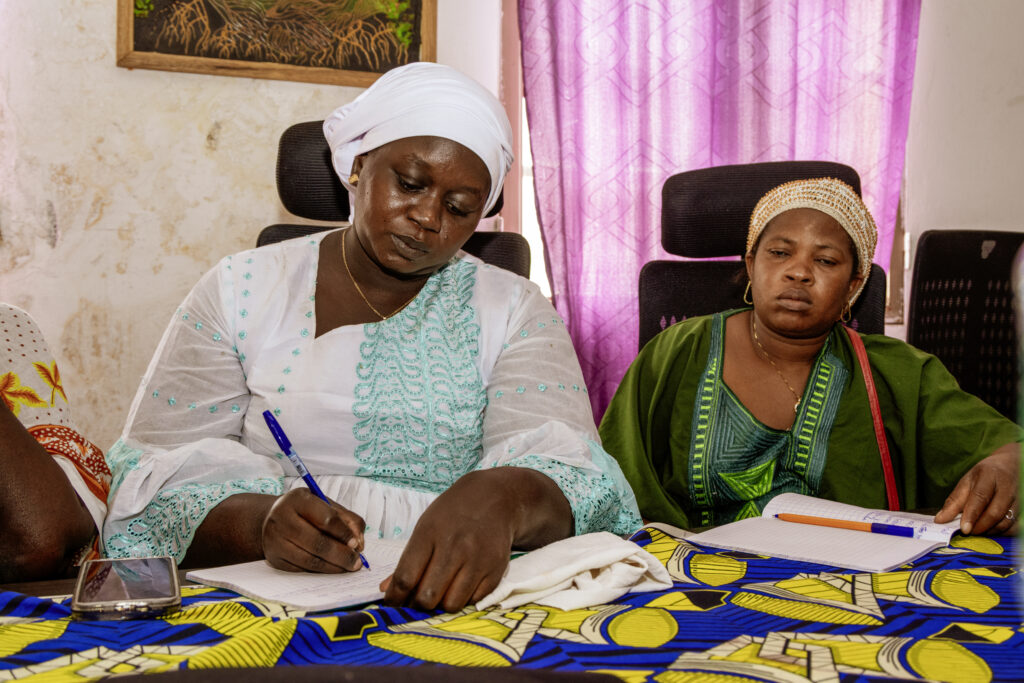
The exercise taught them how to turn a product’s features into selling points that meet customers’ expectations.
The training adopted a participatory approach. Interactive presentations were interspersed with case studies on local products, group work, role-plays and sales and negotiation simulations. This enabled participants to relate each concept to their day-to-day work.
Participants identified the shop’s different customers and considered each one’s needs and purchasing habits:
- local households and consumers;
- hotels and restaurants in the tourist area;
- shops and supermarkets;
- tourists visiting Toubacouta;
- wholesalers and businesses;
- customers who order online.
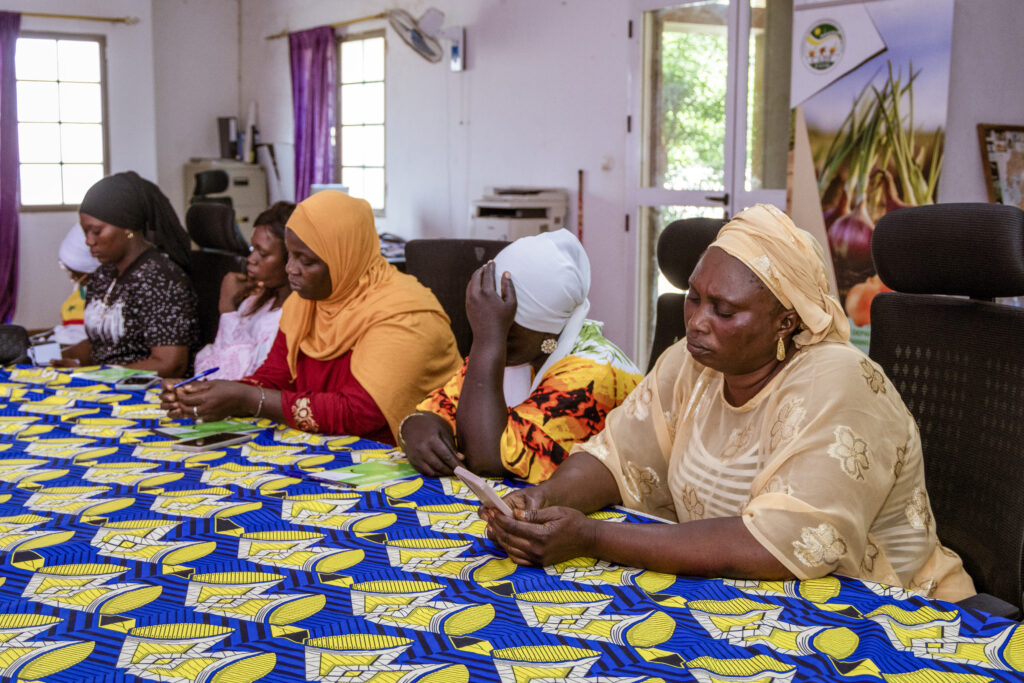
Several simulations focused on customer relations: welcoming customers, active listening, identifying needs, addressing objections and closing the sale. Participants also learnt how to calculate a selling price based on the cost price and the margin. They practised negotiating a discount or a bulk purchase.
The principles of merchandising were covered in a practical way:
- grouping products by category;
- displaying prices clearly;
- placing flagship products in prominent positions;
- ensuring the area is kept clean;
- creating a promotional area, or even a tasting area.
Participants learnt how to use WhatsApp Business, Facebook and TikTok to showcase products and take orders. The best practices covered included: taking attractive photos, displaying the price and benefits of each product, posting regularly and responding promptly to customers. A practical exercise on creating a Facebook page rounded off this module.
The training concluded with the collaborative development of a simplified marketing plan for the flagship shop. Each participant completed a marketing canvas. The contributions were then consolidated into a joint action plan.
The shop will now put these lessons into practice. Planned actions include:
- Updating product packaging and labels.
- Organise tastings and promotional activities.
- Launch a catalogue on WhatsApp Business and post regularly on social media.
- Forge partnerships with hotels, restaurants, supermarkets and shops in the area.
- Maintain a customer database and monitor sales trends.
- Organise refresher sessions on sales techniques.
- Conduct an initial review of marketing activities in three months’ time.
By focusing on the cooperative’s products, and in particular mangrove honey, this training course has provided the management committee with practical tools to boost sales. Gaining a better understanding of the market, presenting products more effectively, serving customers better and communicating more effectively: this is the roadmap for the GECCOM shop.
This capacity-building initiative forms part of the ARC project. The project supports communities in the Saloum Delta in making the most of their natural resources, for the benefit of producers and mangrove ecosystems.