Counting for Conservation – 60th International Waterbird Census

The incredible impact of one of the world’s largest, longest-running and most influential citizen science projects
Tens of thousands of people have started to fan out into wetlands across the world to participate in the 60th edition of the International Waterbird Census (IWC) an extraordinary citizen science project that has played a huge, and largely unsung, role in global conservation efforts over the past six decades.
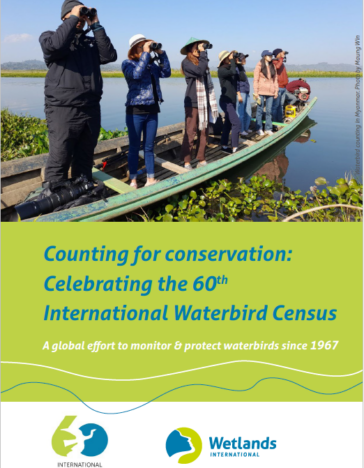
Clasping telescopes and binoculars, teams of scientists and volunteers are heading for their local wetlands from icy European lakes and warm Caribbean coastlines to Asian mudflats and tropical African estuaries. They are following in the footsteps of all the counters since 1967 – to monitor the health of waterbird populations and the wetlands they depend on.
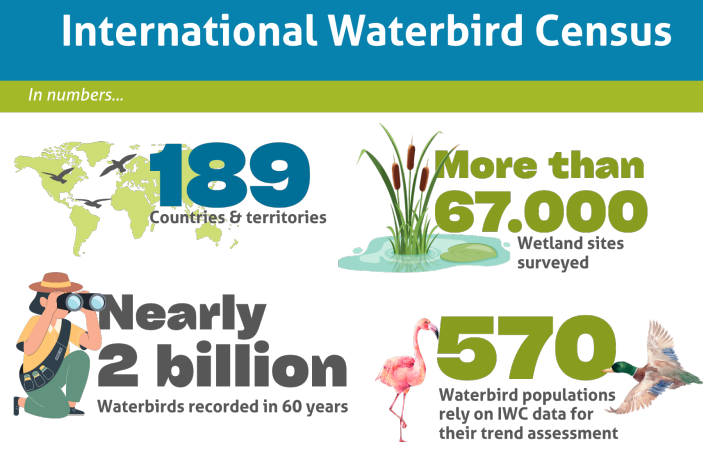
They are part of one of the world’s largest, longest running and most influential biodiversity monitoring projects, including surveys in 67,000 wetlands in 189 countries and territories. It has driven conservation action worldwide – protecting wetlands, safeguarding waterbird populations, and shaping international conservation policies and practices that have benefited people, nature and climate.
“For 60 years, the International Waterbird Census has shown the power of people coming together for nature – developing into an essential beacon of knowledge and collaboration that has underpinned conservation successes for waterbirds and wetlands across the globe,” said Coenraad Krijger, CEO of Wetlands International – one of the coordinators of the IWC.
Designed to estimate waterbird population sizes and trends, identify and monitor priority wetlands for waterbirds, and support wetland protection and management, the census has contributed to incredible conservation successes, including:
- Designation of 956 Ramsar Wetlands of International Importance, covering 1.5 million km2 – roughly the size of Mongolia;
- Identification of 2,701 Important Bird Areas, covering 1.75 million km2 – roughly the size of Libya; and
- Identification of 2,721 Special Protection Areas across the EU, covering 418,000 km2 – larger than Germany.
The IWC’s cost-effective, long-term monitoring has provided priceless data that has:
- Contributed to analysis of 570 waterbird population estimates and trends;
- Alerted us to declining status of certain species and helped guide successful conservation efforts, including several goose species in Europe; and
- Highlighted how some waterbird distribution patterns are shifting as our climate changes and the world warms, with wintering grounds for some populations in Europe moving north and east into the Baltics and Russia.
Indeed, many waterbird populations are in decline, with waders experiencing particularly worrying downward trends, reflecting the pressures on wetlands, grasslands and tundra habitats along their flyways. By detecting declines in hunted species, tracking the impact of climate change, and avian influenza, the data from the IWC is essential for guiding conservation policy and action.
Downloads
More information:
Richard Lee, Head of Communications, Wetlands International; [email protected]; Tel/WhatsApp +31654287956
International Waterbird Census – web portal for more detailed information
Counting for Conservation: Celebrating 60 years of the International Waterbird Census (booklet)
Postcards of quotes and personal stories from IWC counters across the world
Logos of partner organisations from across the globe