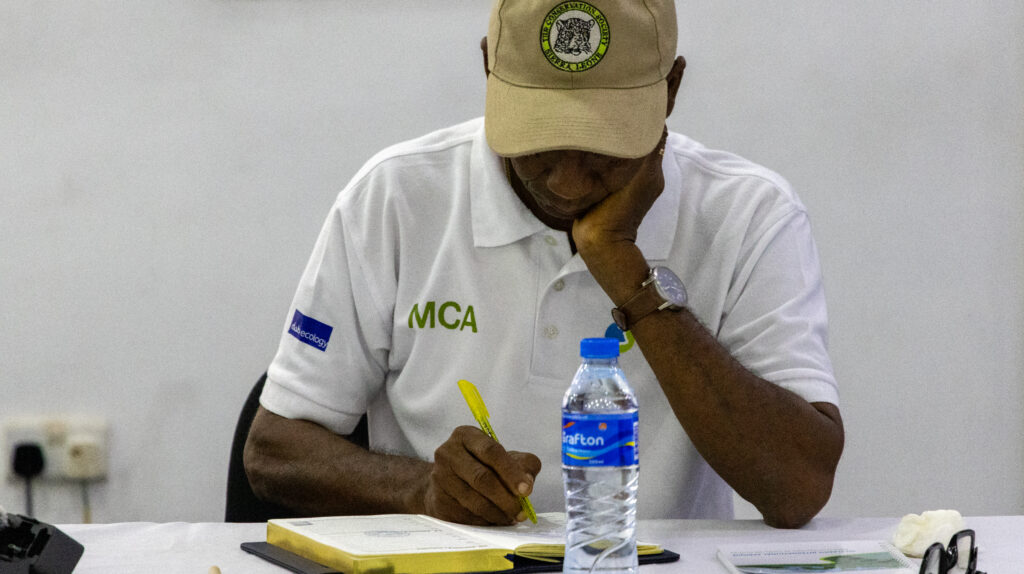

Launch of the Mangrove Capital Africa IV programme: between environmental diplomacy and ecological corridor approach.
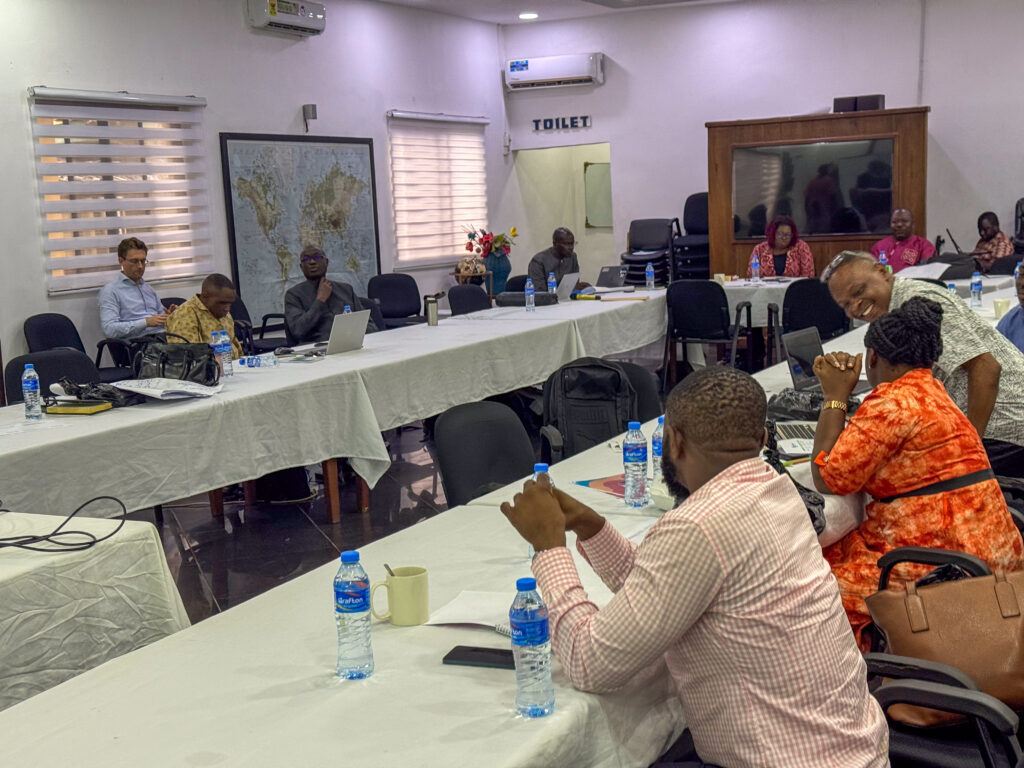
Freetown, Sierra Leone – 22 July 2026 – Wetlands International Africa Western Coast and Gulf of Guinea (WIACO) has officially launched the fourth phase of the Mangrove Capital Africa (MCA IV) programme, supported by DOB Ecology, at a workshop bringing together representatives from the Government of Sierra Leone, technical and financial partners, civil society organisations, local communities, researchers and the media. This new phase will strengthen the conservation and restoration of mangroves, whilst consolidating their role as a driver of climate resilience and sustainable development for coastal communities.
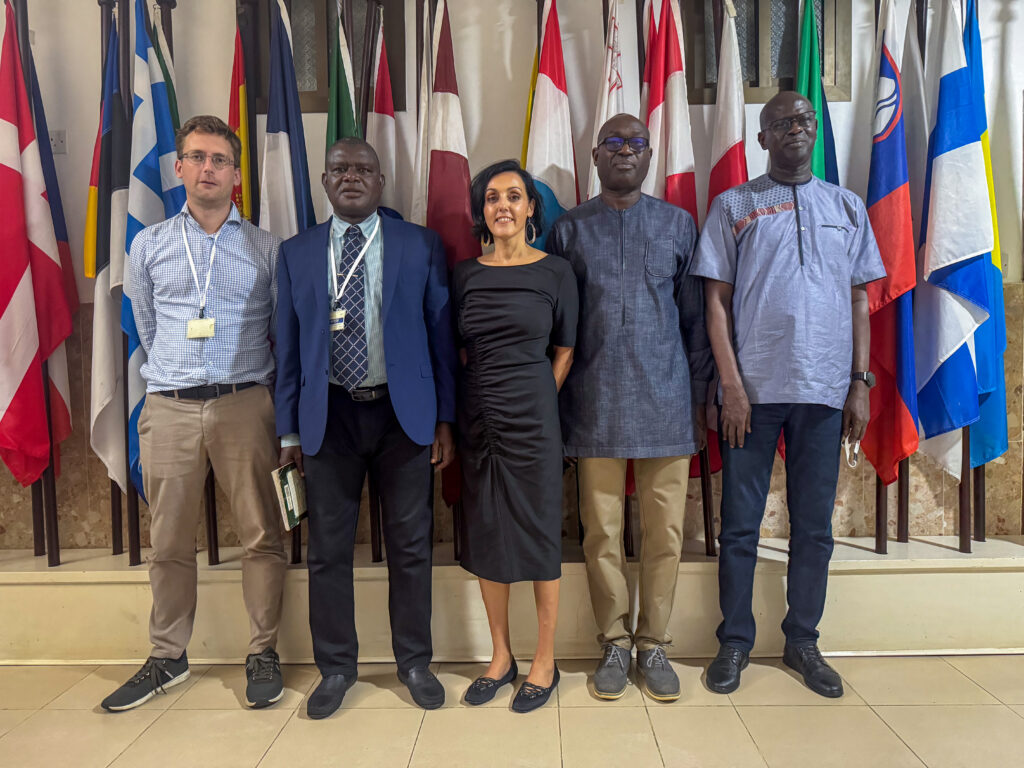
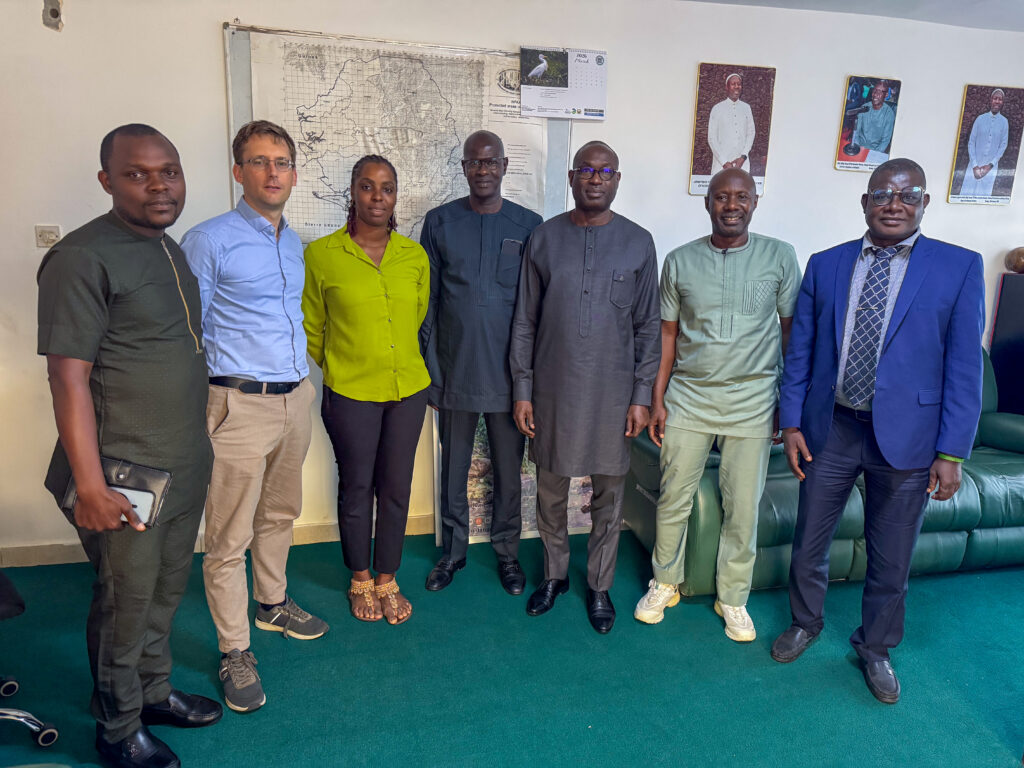
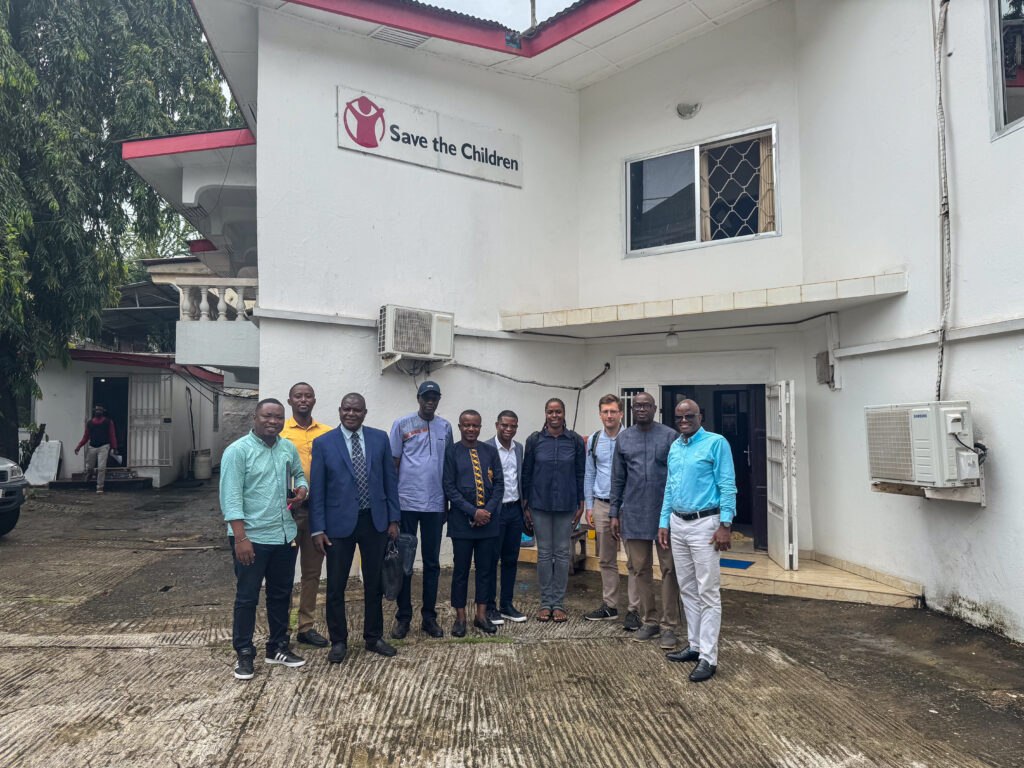
In the lead-up to this official launch, the Wetlands International team undertook a series of courtesy and working visits to several national institutions and strategic partners to present the programme’s ambitions and identify opportunities for collaboration. Discussions took place with the US Embassy, the UK Embassy, the European Union Delegation, Save the Children, the National Protected Area Authority (NPAA), the Conservation Trust Fund (CTF), Conservation Society of Sierra Leone, the EPA, and the Conservation Society of Sierra Leone, as well as other organisations committed to biodiversity conservation and sustainable development. These meetings helped to strengthen institutional relationships, share the programme’s vision and lay the foundations for future partnerships centred on the protection of coastal ecosystems.
During the launch workshop, discussions highlighted Wetlands International’s vision: to view mangroves not only as ecosystems to be protected, but also as natural capital essential for biodiversity conservation, carbon sequestration, food security and the livelihoods of coastal communities.
Participants also learnt about the main objectives of Mangrove Capital Africa IV, as well as its regional approach based on cooperation between West African countries. Discussions emphasised the need for coordinated management of coastal ecosystems, transcending national borders in order to respond effectively to common challenges linked to climate change, biodiversity loss and mangrove degradation.
This innovative approach aims at ensuring the ecological continuity of mangroves and coastal wetlands, protecting migratory species, strengthening the resilience of ecosystems to climate change, and fostering cross-border cooperation through the sharing of knowledge, scientific data and best practice.
Following the discussions, several key recommendations were put forward, including:
- strengthening collaboration between national institutions and regional partners;
- promoting the sharing of scientific data and experiences between Senegal, Guinea-Bissau and Sierra Leone;
- increasing the involvement of local communities in the sustainable management of mangroves;
- developing innovative funding mechanisms to support restoration and conservation efforts;
- continuing advocacy efforts to further integrate mangroves into national climate change adaptation policies.
The launch of Mangrove Capital Africa IV supported by DOB Ecology, thus marks a new milestone in regional cooperation for the conservation of mangroves in West Africa. Africa.