

Media engaged in wetlands conservation: better communication for better protection
What if better communication about nature contributed directly to its protection? That question was at the heart of the workshop ‘Communicating for Nature’, held on 31 August and 1 September 2026 in Ndagane, Senegal. Organised by Wetlands International Africa – Western Coast and Gulf of Guinea (WIACO)and BirdLife International, the workshop brought together 18 media professionals and content creators to strengthen their ability to tell powerful, accurate and engaging stories about wetlands, migratory birds and climate change.
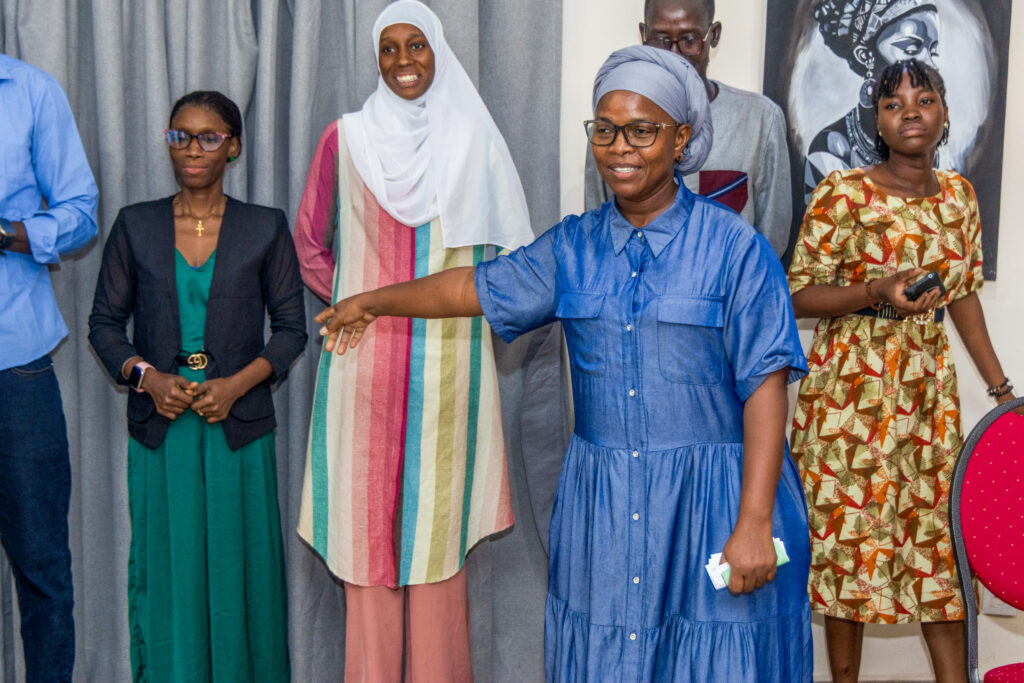
This initiative is part of the IKI-CREAF project – Climate Resilience for Critical Sites for Migratory Birds and People along the East Atlantic Flyway, which links critical wetlands from the Arctic Circle to the southern tip of Africa. The project works to strengthen the resilience of sites important for migratory birds and the communities that depend on them. In the Saloum Delta, the initiative is focusing on restoring wetland ecosystems, strengthening local wetland management capacity, and equipping women, youth, and local monitors with tools, knowledge, and opportunities to lead in conservation.
Understanding nature to tell better stories
Over two days, participants deepened their understanding of the role of migratory birds, the wetland sites they use in West Africa, and the threats facing these areas. Particular attention was given to the East Atlantic Flyway, one of the world’s main migration routes used by millions of birds, using critical wetland sites to rest, feed, and breed. These wetlands also support the well-being and resilience of the people who live near them.
Participants examined how climate change is reshaping wetlands and the lives of people and migratory birds that depend on them through increasing droughts, flooding, sea-level rise, and erosion. They also explored the potential of nature-based solutions to strengthen resilience.
From knowledge to action
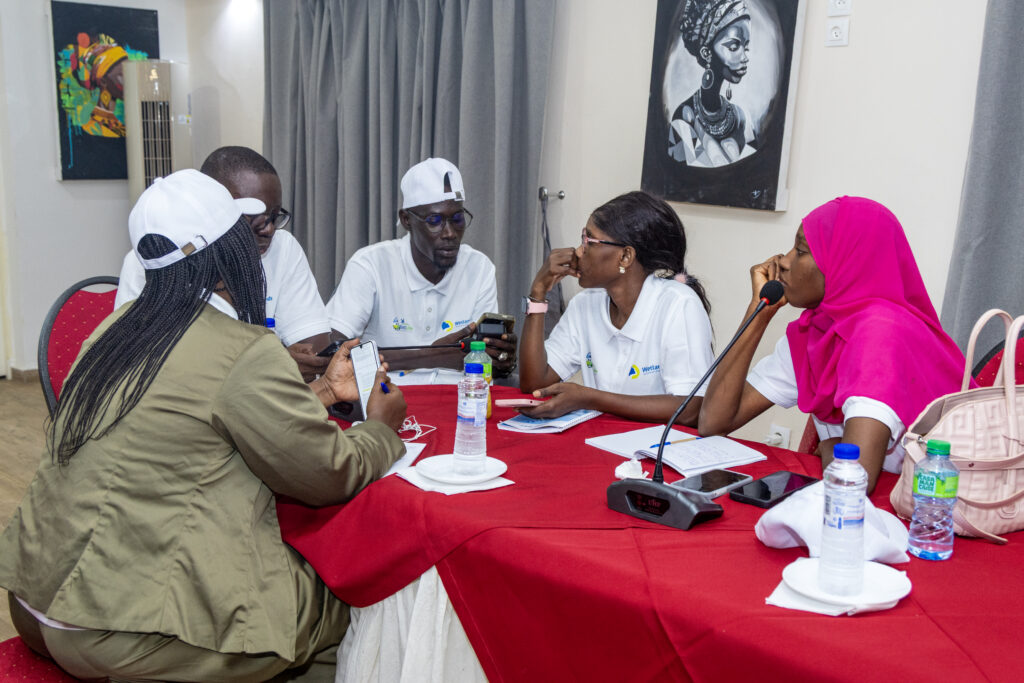
The workshop then focused on how to make this knowledge accessible, relevant and engaging to wider audiences. The workshop combined environmental storytelling, solutions-based journalism, fact-checking, multimedia production and the use of social media, with a focus on communicating complex conservation issues in ways that connect with people’s everyday lives.
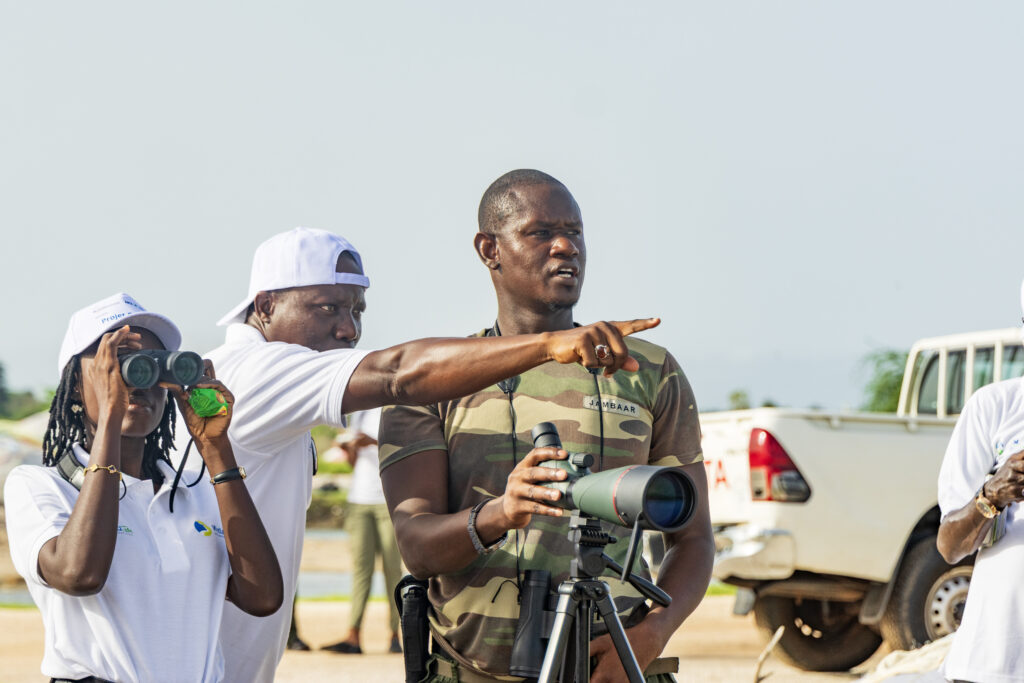
A field trip to Palmarin brought these lessons to life. Participants observed birds and mangroves in the field and produced content in a real-world setting.
Making the media the voice of conservation
Beyond training, Wetlands International Africa is building a lasting partnership with the media professionals and content creators who can help keep wetlands, biodiversity and climate resilience on the public agenda.
The ambition is to encourage more high-quality reports, articles, videos and digital content, while building a network of communicators committed to environmental issues. As such, we aim to strengthen public awareness of the value of wetlands, showcase solutions, amplify local voices and help mobilise support for their protection.
Link to resulting articles:
https://aps.sn/la-reserve-communautaire-de-palmarin-un-ressort-pour-lecotourisme-acteur/
https://senego.com/oiseaux-migrateurs-khady-gueye-evoque-les-menaces-au-senegal_1998825.html
https://www.facebook.com/share/p/18MRUdUFDB
More information:
https://flyway.waddensea-worldheritage.org/climate-resilient-east-atlantic-flyway
Supported by:
International Climate Initiative (IKI), funded by the Federal Government of Germany.
Any concerns regarding this project can be raised via the IKI’s independent complaints mechanism, which ensures transparency, accountability and the respectful handling of all project-related issues.