
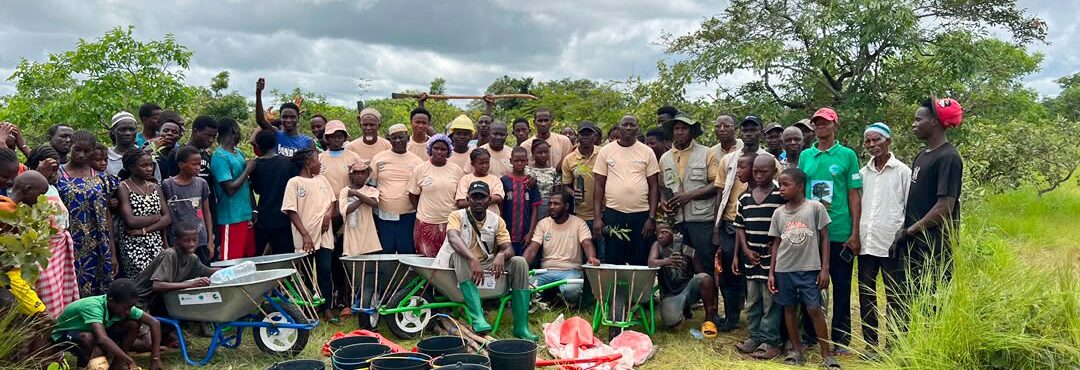
Restoring habitats to enhance the resilience of the Dulombi–Boé–Tchetche landscape
At the heart of the Niokolo–Badiar–Dulombi–Boé transboundary landscape, which straddles Senegal, Guinea and Guinea-Bissau, the restoration of degraded ecosystems is a key priority for preserving biodiversity and strengthening the resilience of communities that depend directly on natural resources.
It is against this backdrop that the Integrated Programme for the Conservation, Economic Development and Cross-Border Resilience of the Niokolo–Badiar–Dulombi–Boé landscape (PICVERT) has been established, implemented as part of the NaturAfrica initiative and funded by the European Union. The programme aims to reconcile biodiversity conservation, the sustainable management of natural resources and inclusive economic development, whilst strengthening cooperation between the three countries.
As part of this programme, Wetlands International Africa is supporting ecological restoration efforts in Guinea-Bissau, with a particular focus on nature-based solutions and the involvement of local communities.
75 hectares restored in the Dulombi–Boé–Tchetche complex
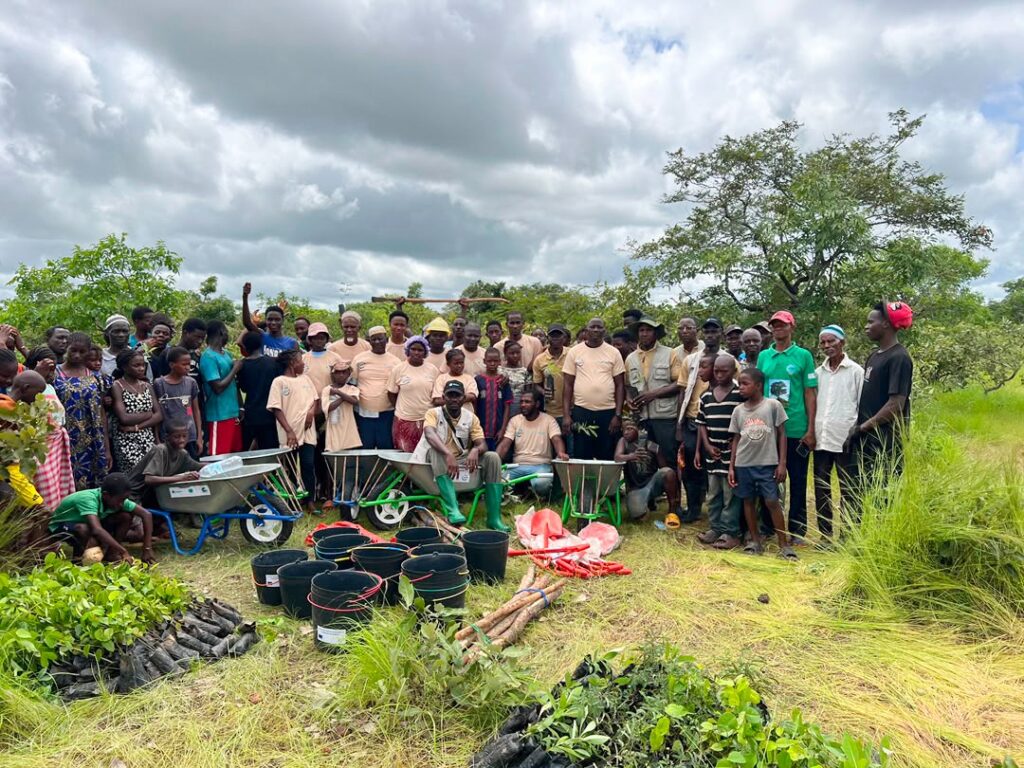
From 4 to 11 August 2026, a restoration campaign was carried out in the villages of Tchetche and Guiledje, within the Dulombi–Boé–Tchetche (DBT) complex.
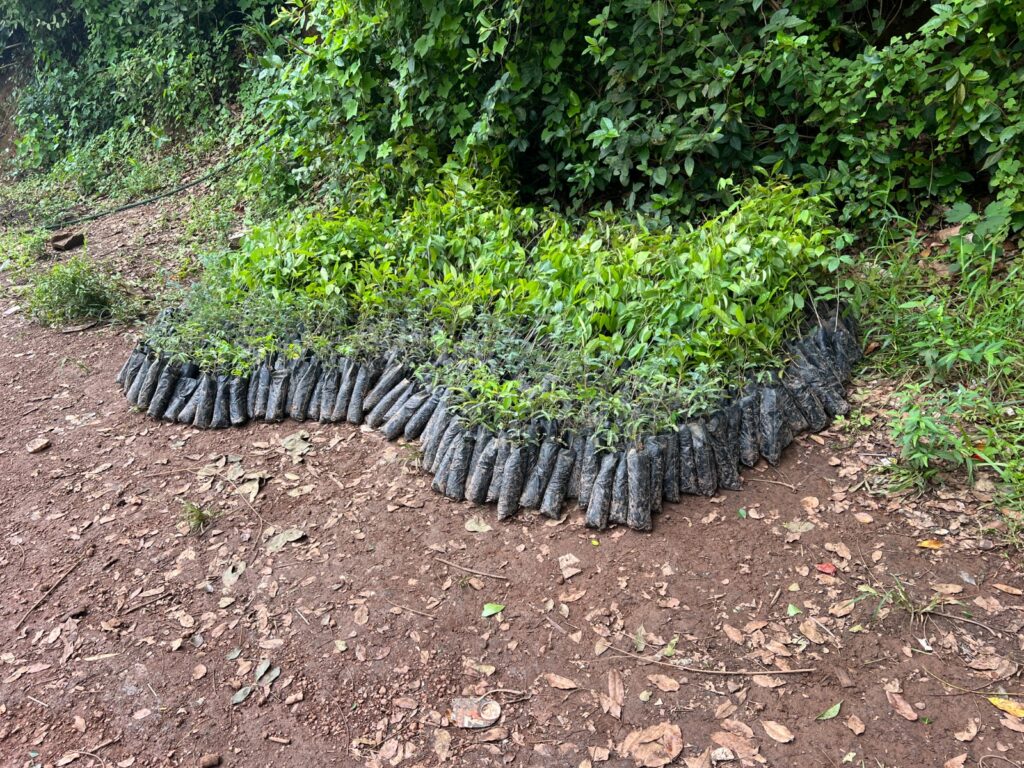
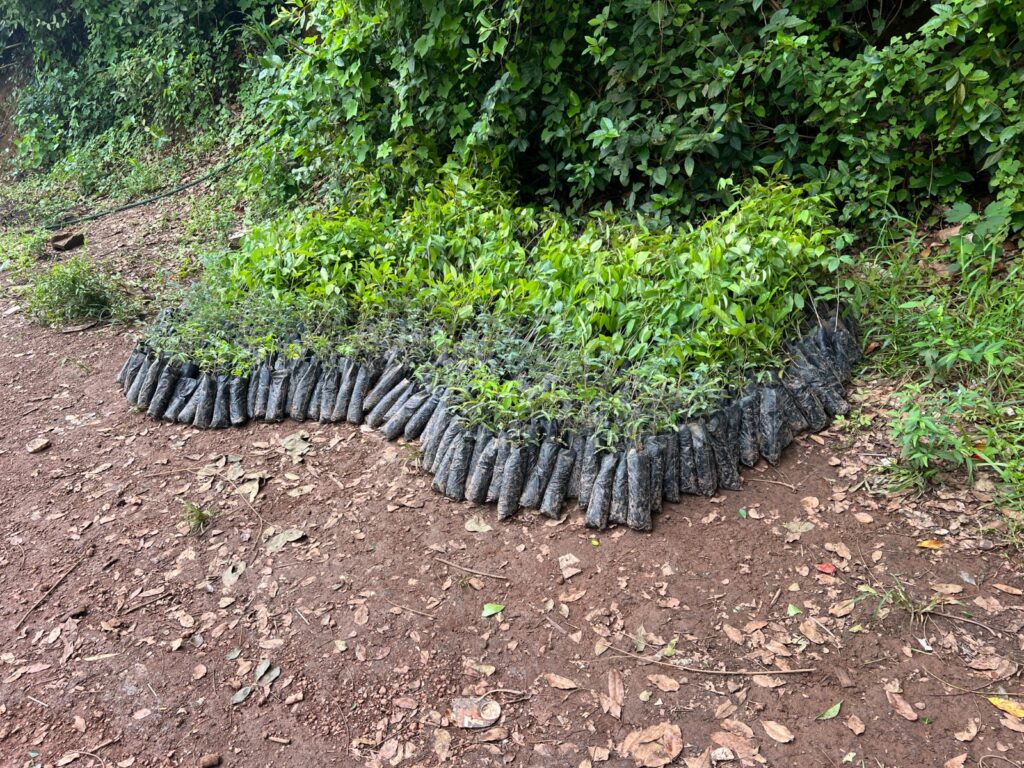
The project restored 75 hectares of degraded habitat – comprising 41 hectares in Tchetche and 34 hectares in Guiledje – through the planting of 3,501 seedlings of species suited to local ecological conditions.
This operation aims to gradually re-establish vegetation cover, improve soil protection and create conditions conducive to the maintenance and return of biodiversity. It also helps to preserve the essential ecological functions of the landscapes, notably the regulation of water resources and the maintenance of natural habitats.
Against a backdrop of the effects of climate change and growing pressure on natural resources, the restoration of degraded habitats thus represents a practical means of strengthening ecosystems’ capacity to cope with disturbances.
Une restauration construite avec les communautés
La réussite d’une action de restauration ne dépend pas uniquement des interventions réalisées sur le terrain. Elle repose également sur l’engagement des populations qui vivent au quotidien dans ces paysages.
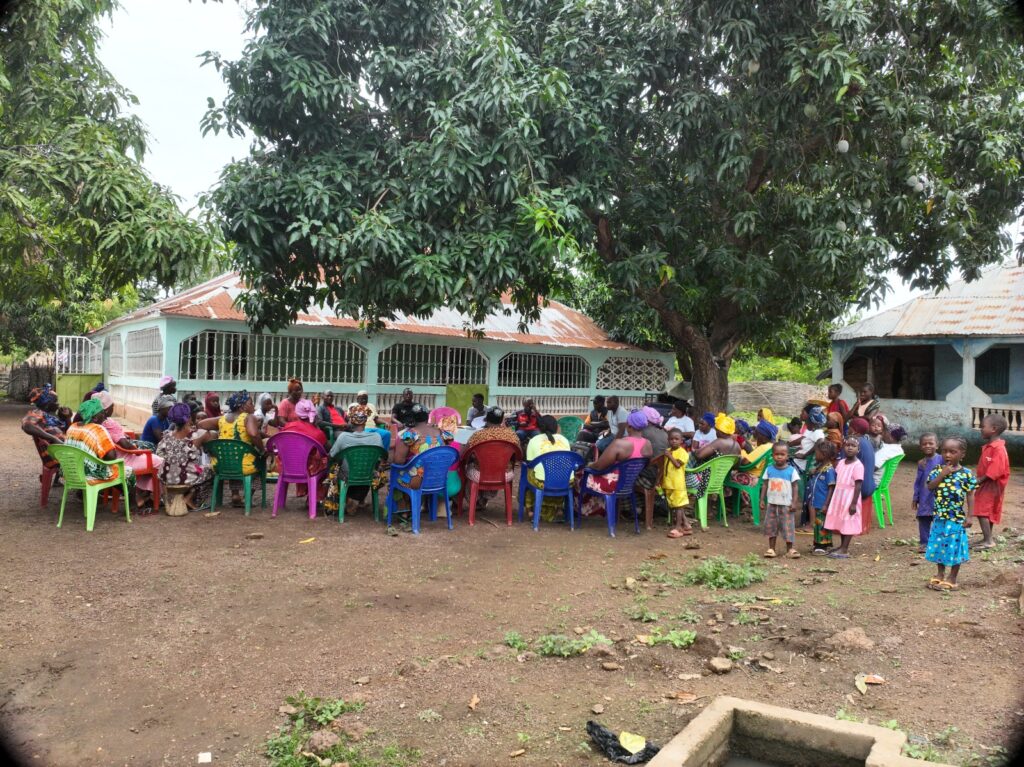
À Tchetche et Guiledje, les communautés locales ont été associées aux différentes étapes de la campagne à travers des journées de plantation, des séances de sensibilisation et des formations sur l’entretien et la protection des jeunes plants.
Cette approche participative permet de renforcer les connaissances locales et de favoriser une appropriation durable des actions de conservation. Elle reconnaît également le rôle essentiel des communautés dans la protection des ressources naturelles dont elles dépendent.
Ensuring the long-term preservation of restored sites
Planting the saplings marks the start of a process that requires regular monitoring and ongoing protection.
To consolidate the results achieved, community conservation committees are set up to help monitor the sites, contribute to the prevention of illegal logging and track the progress of the plantations.
This local involvement should improve the survival rate of the seedlings and, over time, promote the natural regeneration of the restored areas.
Local action in the service of a cross-border landscape
The ecosystems of the Niokolo–Badiar–Dulombi–Boé complex are closely interconnected. Species, habitats, water resources and ecological dynamics extend beyond administrative boundaries.
The restoration work underway in Tchetche and Guiledje is therefore part of a broader approach aimed at preserving the ecological integrity of this landscape shared by several countries.
Through PICVERT, institutions, conservation organisations and local communities are working together to strengthen the sustainable management of resources, promote the sharing of experiences and develop joint responses to environmental challenges.
Wetlands International Africa: a commitment to resilience
Through its involvement in the PICVERT project, Wetlands International Africa is helping to promote conservation that combines ecological restoration, community participation and the strengthening of local resilience.
The results achieved in Tchetche and Guiledje — 75 hectares of restored habitat and 3,501 seedlings planted — represent a significant milestone in this process.
This initiative is being implemented by Wetlands International Africa as part of the PICVERT project, funded by the European Union through the NaturAfrica initiative, under the leadership of the IUCN, in partnership with IBAP and Palmerinha.
Beyond the figures, this initiative reflects a shared ambition: to restore ecosystems, strengthen their resilience to change, and enable communities to continue to benefit sustainably from the natural resources of their territory.