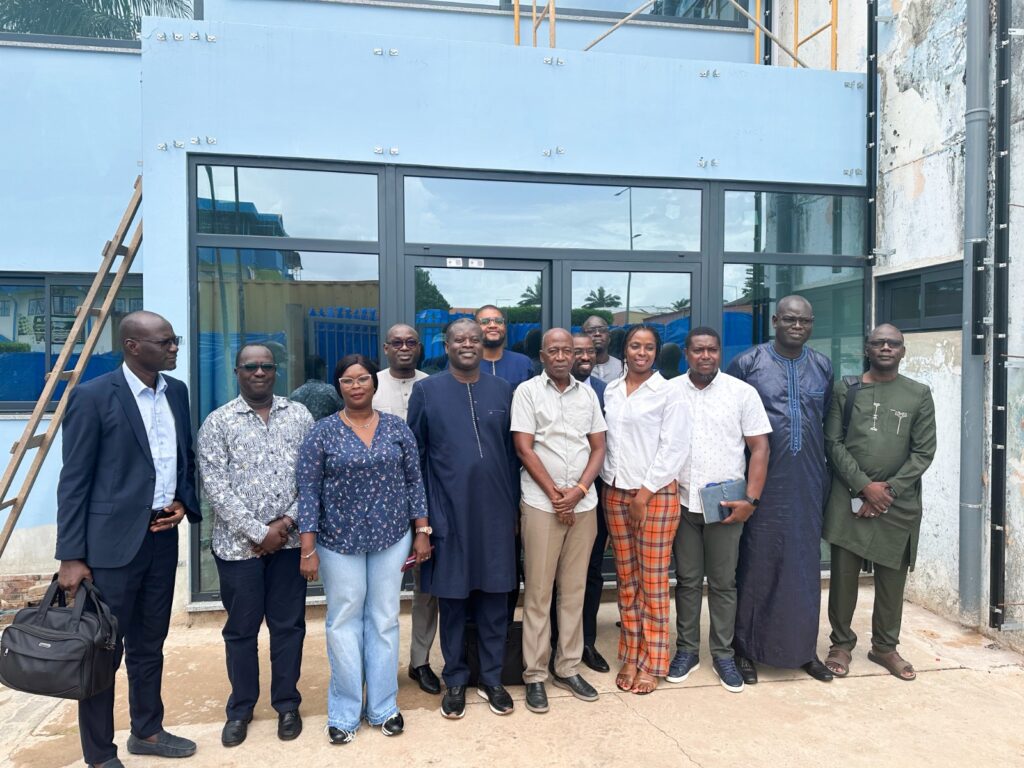

Senegal Biodiversity Conservation Trust Fund: Dakar draws inspiration from Guinea-Bissau’s experience
Following the official launch on 7 July 2026 in Dakar of the process to establish the Senegal Biodiversity Conservation Trust Fund (FFCB-SN), Senegal is taking a further step forward with the start of the feasibility study. This stage will enable an analysis of the political, legal, institutional and financial framework for the management of protected areas and will identify their short-, medium- and long-term funding needs.
Under the leadership of the Ministry of the Environment and Ecological Transition (METE), Ministry of Finance, with technical support from Wetlands International Africa – Western Coast and Gulf of Guinea (WIACO) and the French Development Agency (AFD), the process aims to establish a sustainable biodiversity financing mechanism.
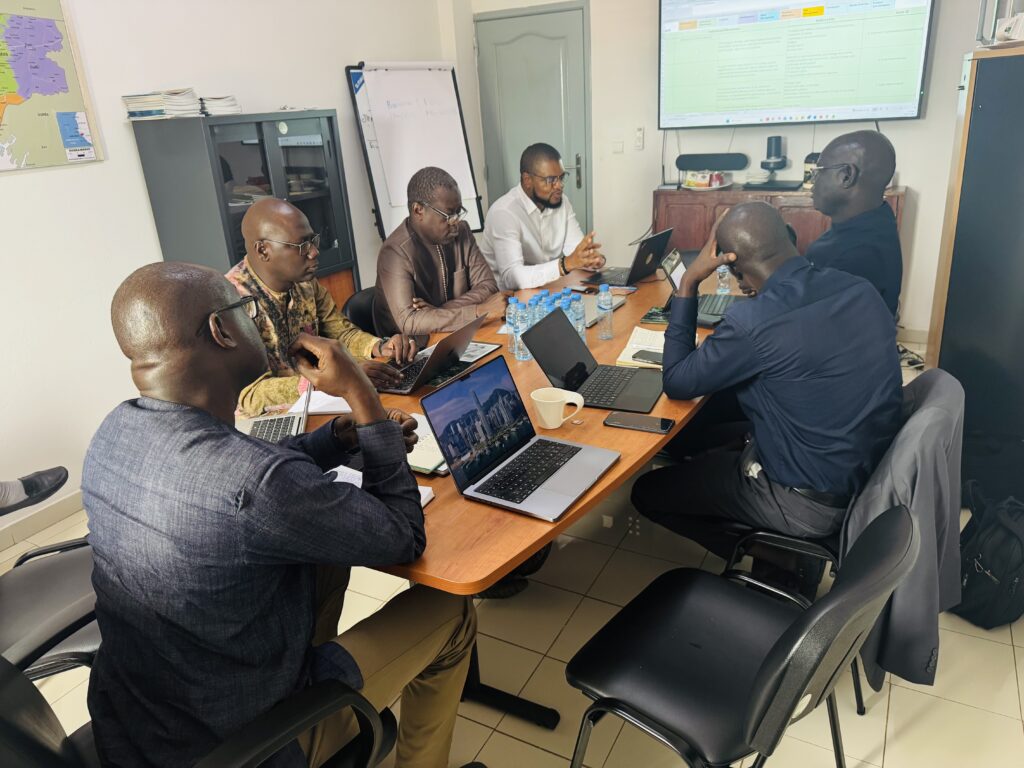
An initial exchange visit to Guinea-Bissau
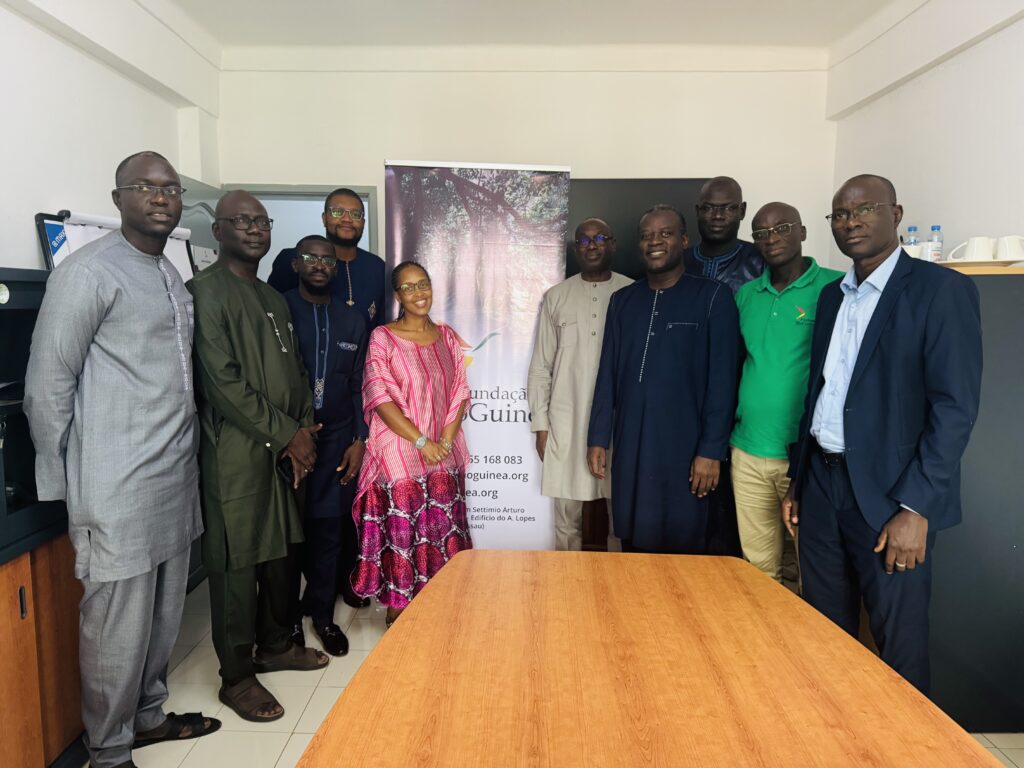
To further the discussion, a Senegalese delegation including representatives from the National Parks Authority (DPN) and the Community Marine Protected Areas Authority (DAMCP) undertook a study visit to Guinea-Bissau from 29 July to 1 August 2026 to meet with the BioGuiné Foundation (FBG), one of the sub-region’s first conservation trust funds, which has been operational for around fifteen years. This study visit enabled the Senegalese delegation to gain a better understanding of the mechanisms of governance, resource mobilisation and management of a trust fund dedicated to biodiversity conservation.
BioGuiné’s experience offers several key lessons: firstly, the success of a trust fund does not rest only on a strong legal framework or an effective board of directors. It also depends on the mechanism’s ability to ensure effective operational management, continuous resource mobilisation, rigorous monitoring and evaluation, as well as sound risk management and environmental and social safeguards.
The fund’s governance is therefore based on several complementary levels, ranging from the General Assembly to the Board of Directors, via technical committees, a donors’ network and an executive secretariat.
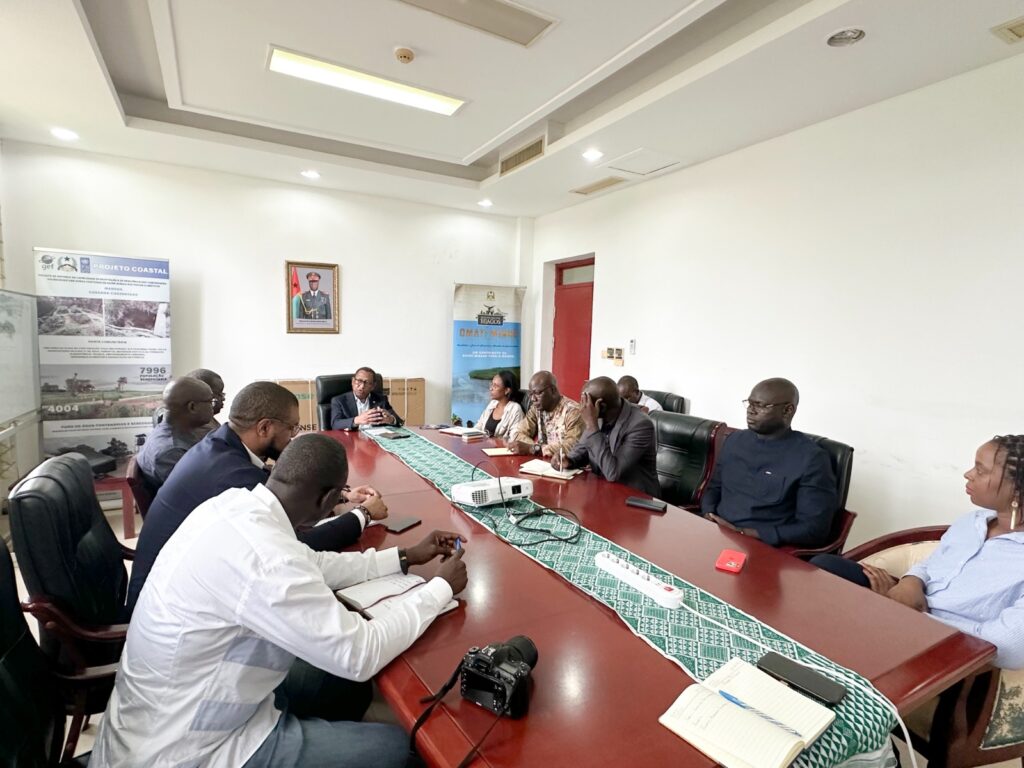
Discussions with the Guinea-Bissau ministries
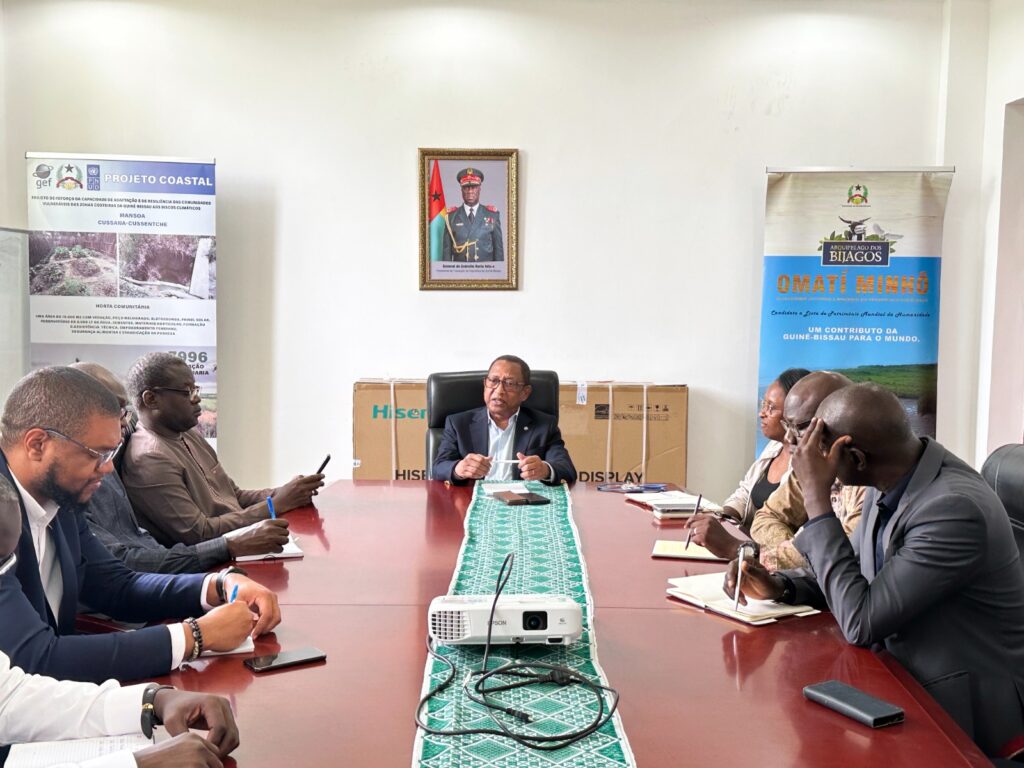
Meetings with the Guinean authorities were a central part of the mission. Discussions with the Minister for the Environment, Mr Carlos Pinto Pereira, in particular, helped to clarify the institutional relationships between the public authorities and the BioGuiné Foundation. The mission highlighted the importance of administrative facilitation, streamlined procedures and political support in mobilising resources and implementing conservation activities.
The Minister’s role in facilitating negotiations, agreements and the mobilisation of resources at regional and international levels thus appears to be a key driver of effectiveness.
The delegation also visited the Institute for Biodiversity and Protected Areas (IBAP), the national institution responsible for managing biodiversity and protected areas in Guinea-Bissau.
Another highlight of the mission was the meeting with the Ministry of Fisheries. The discussions provided a better understanding of the collaboration between the environment and fisheries sectors, particularly regarding the need for scientific knowledge of marine and coastal ecosystems, research protocols and species monitoring. These discussions also highlighted the Ministry of Fisheries’ crucial financial contribution to the FBG endowment fund.
Remarkable financial support
This phase of the feasibility study is receiving financial support from the Hans Wilsdorf Foundation and the IKI CREAF – Climate Resilience project for the conservation of critical wetlands along the East Atlantic flyway, which are essential for migratory birds and communities in Africa and Europe.
Building a mechanism tailored to Senegal’s realities
The mission to the BioGuiné Foundation helped to identify best practices, challenges and the conditions for the success of a trust fund that can be adapted to Senegal’s institutional, economic and environmental context.
The main lesson to be drawn from this first stage is clear: an effective trust fund does not depend exclusively on sound statutes or formal governance. It must be designed from the outset around robust operational functions, a monitoring and evaluation system, rigorous risk management, and transparent safeguard and accountability mechanisms.
With the launch of the process to establish the FFCB-SN in Dakar in July, followed by this first field mission to Guinea-Bissau, Senegal is now entering a crucial phase: that of designing the future Biodiversity Conservation Trust Fund.
The challenge is a significant one: to establish a national mechanism able to mobilise diverse, predictable and sustainable resources to meet the growing conservation needs of biodiversity, protected areas and the communities that depend on them.