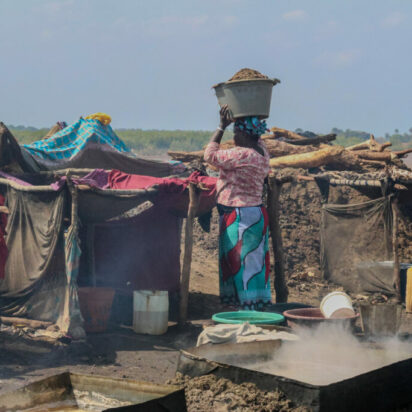
To Plant or Not To Plant – Phase II
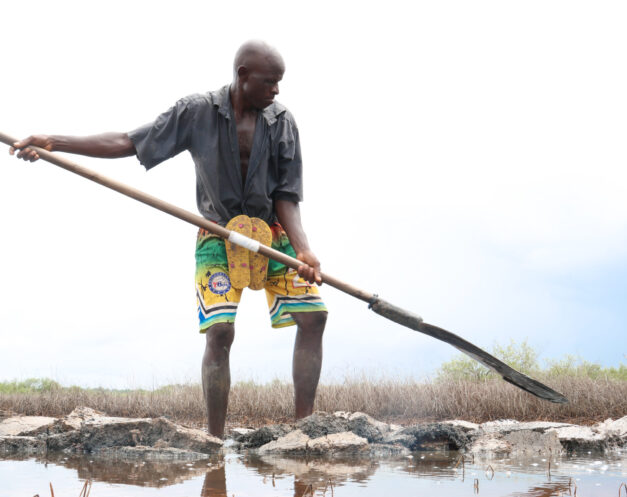
The project “To Plant or Not To Plant – Phase 2” is an ecological restoration and mangrove conservation initiative led by Wetlands International in partnership with several national and international institutions. It will be implemented over a five-year period, from 2026 to 2030, in the Cantanhez and Cacheu landscapes of Guinea-Bissau, with funding of €2 million from the partner Greenchoice.
Guinea-Bissau is home to one of the largest and best-preserved mangrove systems in West Africa. These ecosystems play a vital role in coastal protection, carbon storage, biodiversity conservation, and the livelihoods of local communities. However, they are currently under severe threat from deforestation, unsustainable exploitation of natural resources, climate change, sea-level rise, and the gradual abandonment of traditional mangrove rice fields. In response to these challenges, the project aims to strengthen and expand the Community-Based Ecological Mangrove Restoration (CBEMR) approach, which was successfully tested during the first phase of the program between 2021 and 2025. This approach is based on restoring the natural hydrology of abandoned rice fields to enable the natural regeneration of mangroves, in close collaboration with local communities. Thanks to this method, more than 2,500 hectares of mangroves were restored during the first phase of the project.
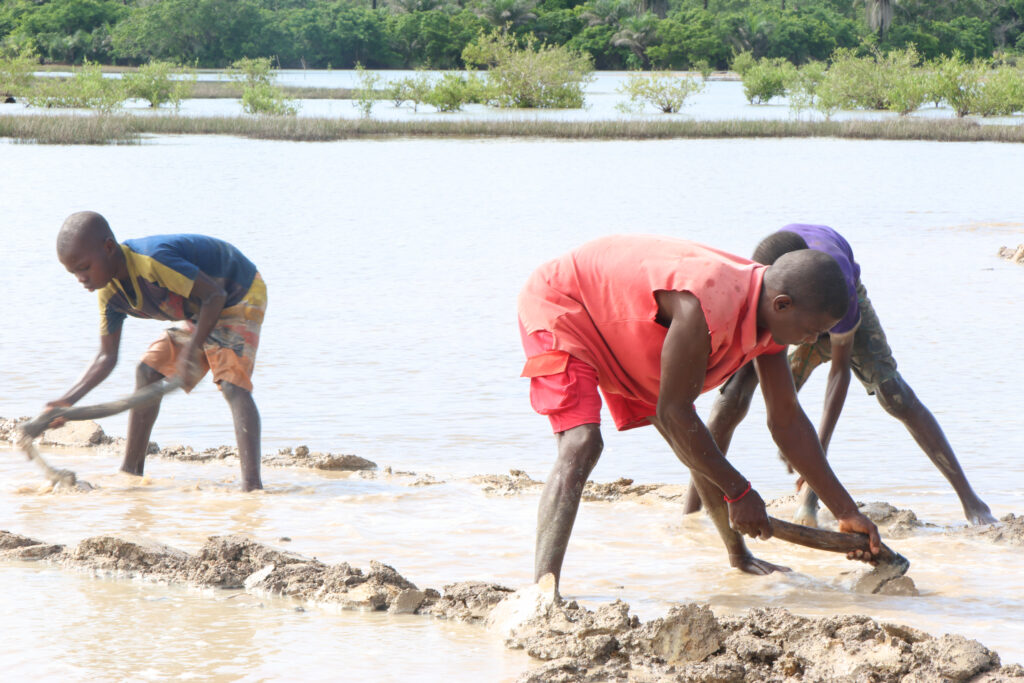
The second phase of the project aims to restore an additional 1,000 hectares of mangroves in the Cantanhez landscape, particularly around Komo Island and in the surrounding areas of Cantanhez National Park and Cacine. At the same time, the project will ensure the monitoring, maintenance, and consolidation of sites restored since 2021 in the Cacheu and Cantanhez landscapes to guarantee their long-term ecological sustainability. Interventions such as opening dikes and digging canals will help restore the natural water flows necessary for mangrove regeneration.
The project also places strong emphasis on scientific and community-based monitoring of restored sites. Annual field assessments will be carried out using ecological monitoring protocols, complemented by drones and remote sensing tools developed with the organization Face the Future. These systems will make it possible to assess mangrove development, ecosystem health, and carbon storage capacity. The objective is for at least 80% of restored sites to be considered “on a good recovery trajectory” by 2030.
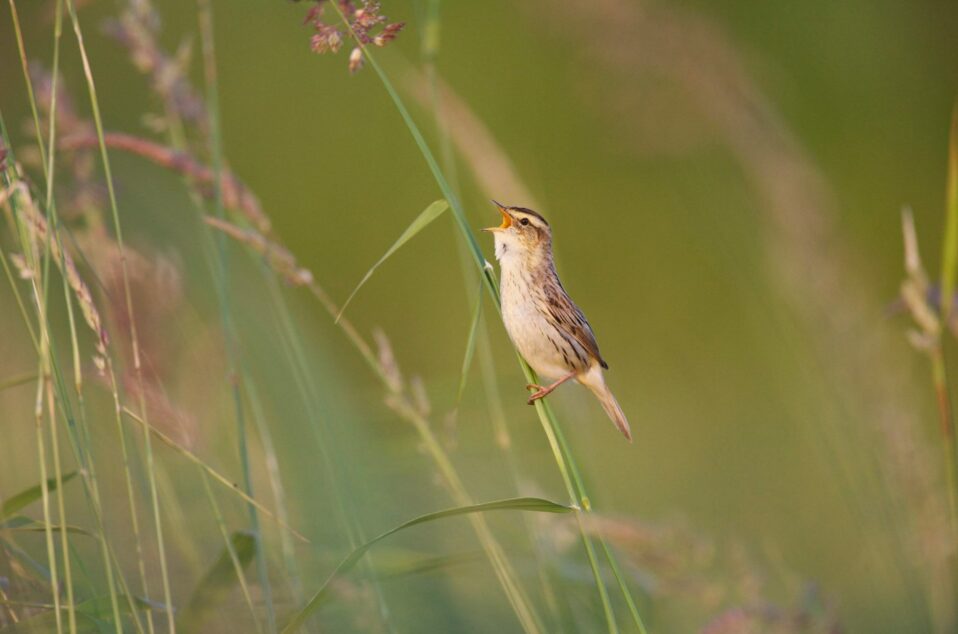
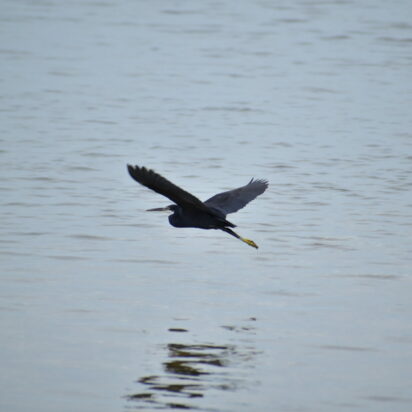
Beyond ecological restoration, the project seeks to strengthen biodiversity conservation and protect emblematic species found within the Cantanhez landscape. Cantanhez National Park hosts exceptional biodiversity, including West African chimpanzees, Temminck’s red colobus monkeys, elephants, hippopotamuses, Atlantic humpback dolphins, as well as a great diversity of migratory birds and aquatic species. The project will support the implementation of the park’s management plan through surveillance activities, ecological monitoring, anti-poaching efforts, and community awareness campaigns.
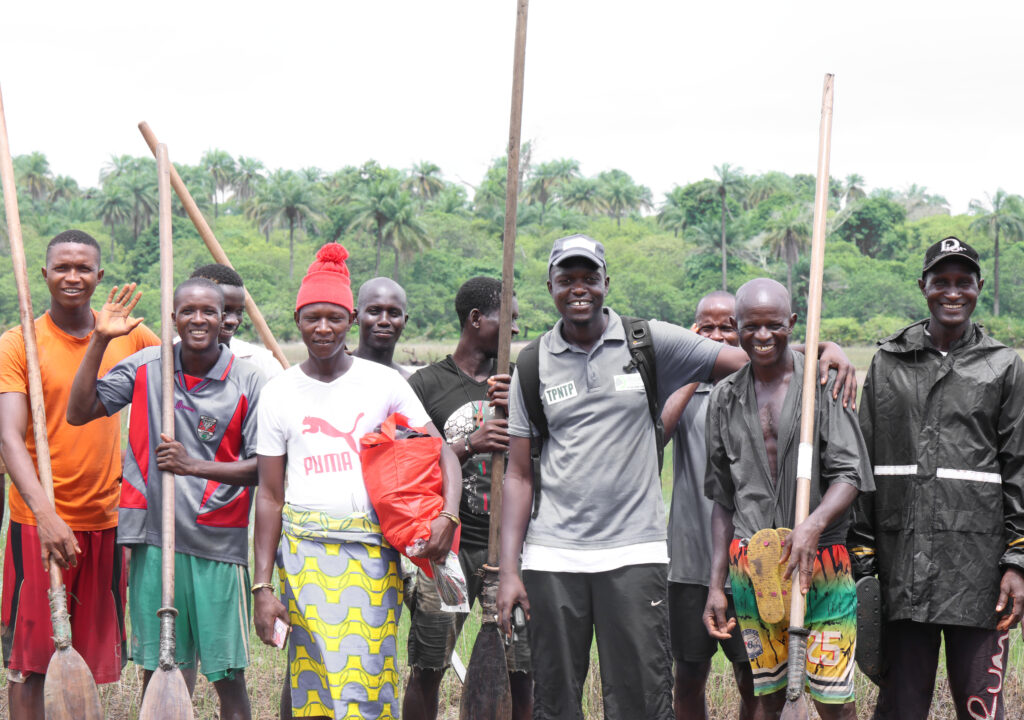
Environmental education is also a major component of the program. The project will support existing school mangrove clubs and encourage the creation of new clubs to raise awareness among younger generations about the importance of coastal ecosystems. Communication campaigns, community radio programs, local events, and publications will help disseminate good restoration and conservation practices nationwide.
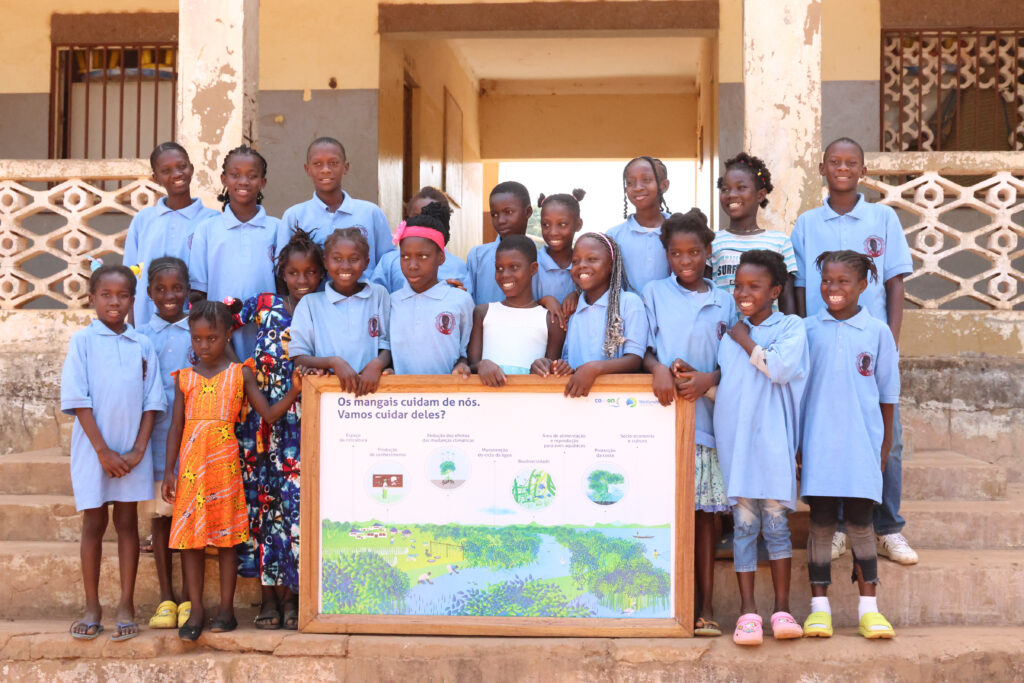
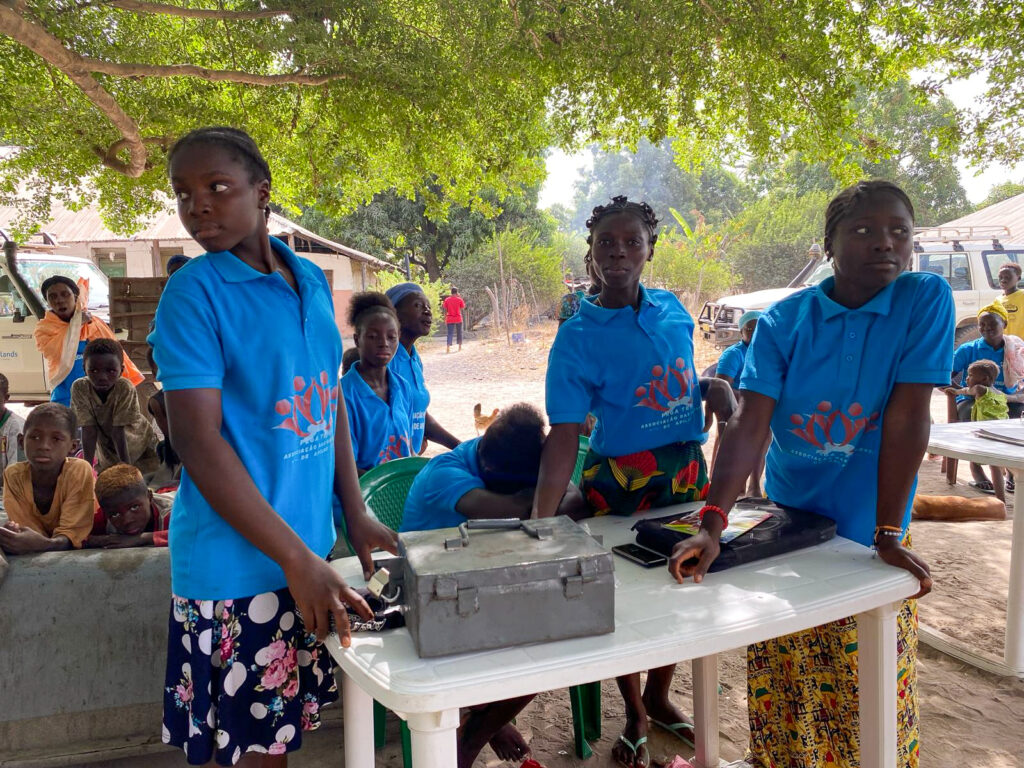
The project’s socio-economic component aims to sustainably improve the living conditions of local communities while reducing pressure on mangrove ecosystems. The project will strengthen community savings and credit groups, mainly led by women, to support income-generating activities compatible with mangrove conservation. These activities include sustainable rice farming, vegetable gardening, beekeeping, oyster farming, artisanal processing of local products, traditional palm oil production, soap making, artisanal fishing, and other sustainable economic activities.
The project also plans to strengthen the capacities of local NGOs and community organizations so they can continue restoration and development activities after the end of the funding period. Training sessions will be organized on project management, organizational governance, fundraising, and ecological restoration techniques. Exchange visits between communities in Guinea-Bissau and the Casamance region of Senegal will also facilitate the sharing of regional best practices.
At the national level, the project will contribute to strengthening the national mangrove platform PLANTA and support the improvement of public policies related to the restoration and protection of coastal ecosystems. It will also contribute to developing a shared strategic vision for the Cantanhez landscape in order to facilitate the future expansion of large-scale restoration and conservation initiatives.
Finally, the project is expected to generate significant climate impact through carbon sequestration by restored mangroves. Estimates indicate that the entire program could store more than 461,000 tons of CO₂ by 2055, thereby strengthening Guinea-Bissau’s contribution to combating climate change.
Through this initiative, Wetlands International and its partners aim to make Guinea-Bissau a regional and international model for community-based mangrove restoration, combining biodiversity conservation, climate resilience, and sustainable development for coastal communities.
Supported by:
Our mangrove restoration and conservation work in Guinea-Bissau is supported through contributions from Otter Fonds, Turing Foundation, COmON Foundation, Waterloo Foundation, Greenchoice, Salesforce, DOB Ecology, and the Dutch lottery Postcode Loterij.
Areas of intervention: Cantanhez, Cacheu.
Learn more about ecological mangrove restoration

Donors: